

In today’s health-conscious world, protein is often hailed as the king of nutrients. From bodybuilders to dieters, everyone seems to be boosting their protein intake. But did you know that consuming too much protein can lead to some unexpected and terrifying side effects?
Understanding the potential risks associated with excessive protein consumption is crucial for anyone looking to maintain a balanced diet. Let’s dive into the world of protein and uncover why moderation is key.
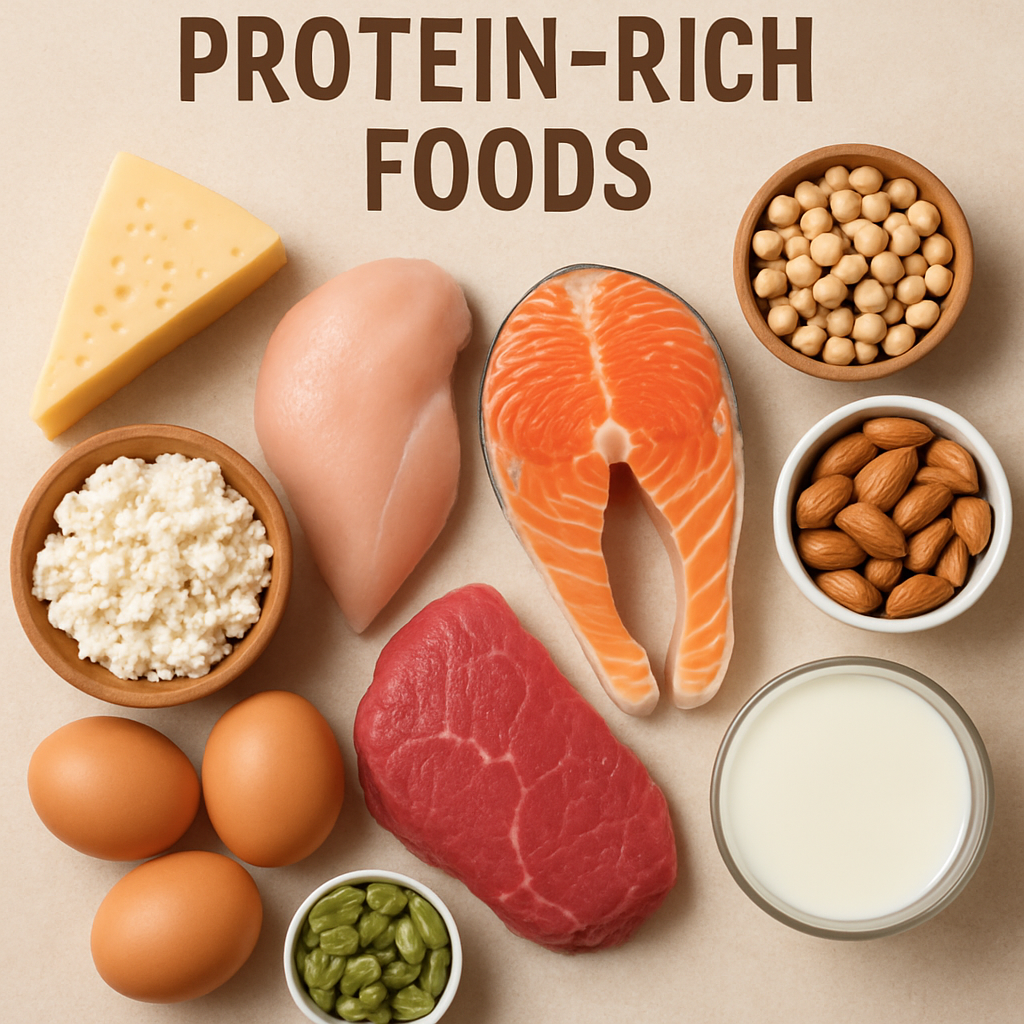
Protein is an essential macronutrient found in every cell of the body. It plays a vital role in building and repairing tissues, producing enzymes and hormones, and supporting immune function. The proteins in our bodies are made up of amino acids, which are the building blocks that help your body grow and function properly. These amino acids are involved in countless physiological processes, including muscle contraction and the transmission of nerve signals.
The Importance of Protein Balance
Given its importance, it’s no surprise that many people focus on getting enough protein in their diets. However, more isn’t always better. While protein is crucial for health, an imbalance can lead to various health issues. It is important to achieve a balance that considers both the quantity and quality of protein consumed.
Misconceptions About Protein Intake
There’s a common misconception that more protein equates to more muscle or improved health, which isn’t always the case. Many people, especially those new to fitness or dieting, believe that consuming large amounts of protein will automatically lead to improved results. However, this can lead to neglect of other essential nutrients and potential health risks.
Recognizing Protein Intolerance
What Is Protein Intolerance?
Protein intolerance occurs when the body has difficulty digesting and utilizing proteins. While everyone needs protein to thrive, consuming too much can overwhelm your system, leading to uncomfortable symptoms. This intolerance can vary widely among individuals, with some experiencing mild discomfort and others facing more severe reactions.
Common signs of protein intolerance include digestive issues such as bloating, gas, and diarrhea. These symptoms may be familiar to anyone who has ever overindulged in a protein-heavy meal. Identifying these symptoms early can help you adjust your diet before more serious issues develop.
The Science Behind Protein Digestion
The digestion of proteins begins in the stomach, where they are broken down into smaller peptides by enzymes. However, when the body is overwhelmed by excessive protein intake, these processes can become strained. The undigested proteins can lead to fermentation in the gut, causing bloating and gas. Understanding this digestion process can help you better manage your protein consumption.
Long-Term Effects of Protein Intolerance
Ignoring the signs of protein intolerance can lead to long-term health effects. Chronic digestive issues can contribute to an imbalance in gut bacteria, which plays a critical role in overall health. Moreover, the constant strain on your digestive system can lead to more serious conditions, such as irritable bowel syndrome (IBS).
The Terrifying Side Effect: Kidney Damage
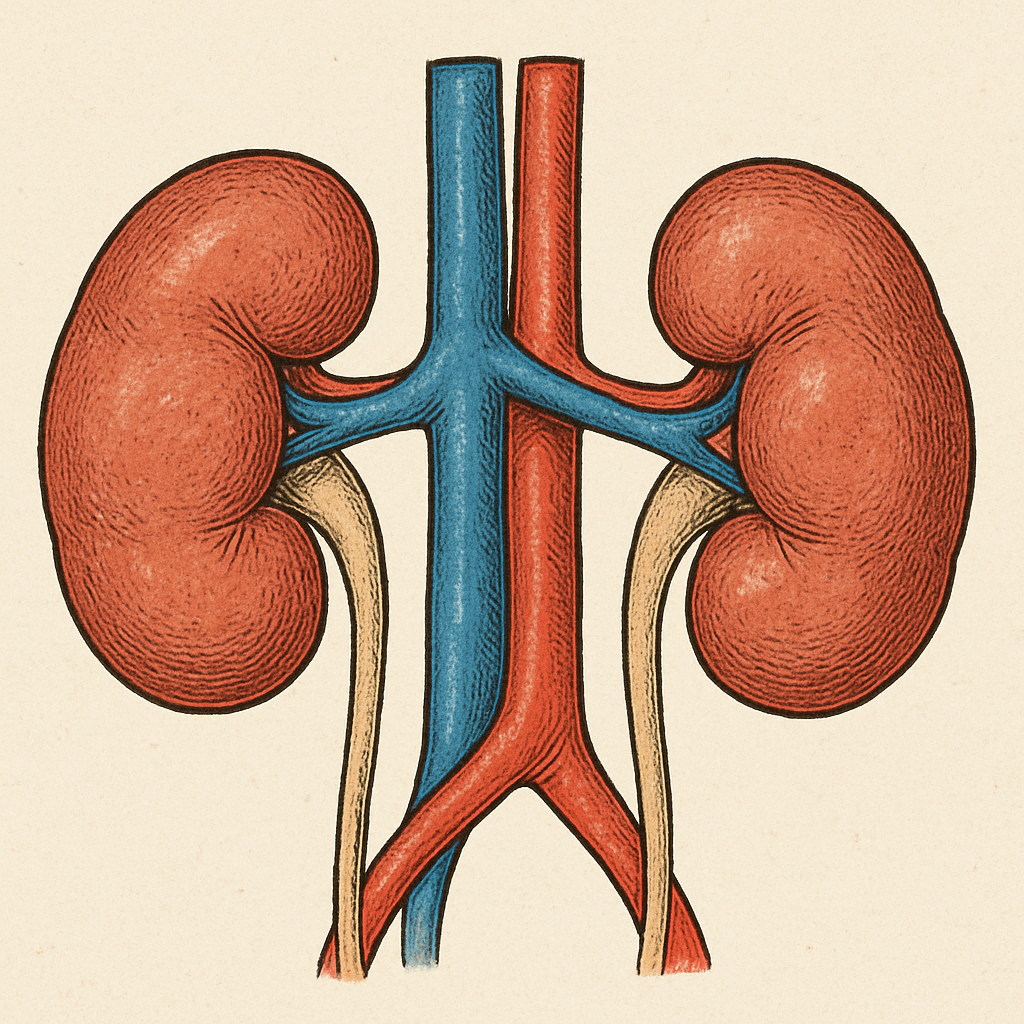
Consuming too much protein can overburden the kidneys, leading to an increased risk of kidney stones and even chronic kidney disease. For those with pre-existing kidney conditions, high protein intake can exacerbate the problem, potentially leading to serious health complications. Understanding how your kidneys process protein can help you appreciate the importance of moderation.
How Excess Protein Affects Kidney Function
When the kidneys are overworked by excessive protein, they may struggle to eliminate waste efficiently. This can cause a buildup of waste products in the blood, which can be harmful. Over time, this added stress can lead to the deterioration of kidney function, increasing the risk of kidney disease.
Warning Signs of Kidney Stress
Early signs of kidney stress from high protein intake can include changes in urination patterns, such as increased frequency or discomfort. Additionally, you may experience fatigue or swelling in the extremities. Recognizing these signs early can prompt necessary dietary adjustments to protect your kidney health.
Understanding Protein Side Effects
The OWYN Protein Side Effects
OWYN (Only What You Need) is a popular brand of plant-based protein products. While these products are designed to provide essential nutrients, overconsumption can still lead to protein-related side effects. It’s important to be mindful of how much protein you’re getting from all sources, including supplements.
Like any protein source, overindulgence in OWYN products can contribute to digestive issues and put additional strain on your kidneys. It’s essential to consume these products in moderation and be mindful of your overall protein intake. Balancing your diet with a variety of nutrients can help mitigate these risks.
Potential Pitfalls of Plant-Based Proteins
While plant-based proteins are generally considered healthier, they still pose risks when consumed in excess. Some individuals may experience digestive issues, such as bloating or gas, due to the fiber content in plant-based proteins. Understanding your body’s reaction to different protein sources can help you make more informed dietary choices.
Other Common Side Effects
Beyond kidney damage, other side effects associated with excessive protein intake include:
- Dehydration: High protein diets can increase the need for water, leading to dehydration if fluid intake isn’t adjusted accordingly. Proteins require more water to metabolize, which can strain your hydration levels.
- Increased Heart Disease Risk: Diets high in animal proteins, particularly red meat, may increase the risk of heart disease due to higher levels of saturated fats and cholesterol. Balancing protein intake with plant-based sources can help reduce this risk.
- Nutrient Deficiencies: Focusing too heavily on protein can lead to neglecting other essential nutrients, resulting in imbalances and deficiencies. It’s crucial to maintain a diverse and balanced diet to support overall health.
The Importance of a Balanced Diet
A well-rounded diet includes a variety of macronutrients and micronutrients, not just protein. Overemphasis on one nutrient can lead to deficiencies in others, impacting everything from energy levels to immune function. By diversifying your diet, you ensure that your body receives all the essential nutrients it needs to function optimally.
How Much Protein Do You Really Need?

Understanding the Recommended Dietary Allowance (RDA)
The Recommended Dietary Allowance (RDA) for protein varies based on age, sex, and activity level. For the average adult, the RDA is 46 grams per day for women and 56 grams per day for men. These guidelines are designed to meet the nutritional needs of most individuals and can be adjusted based on specific health goals or conditions.
Adjusting Protein Intake for Activity Levels
Athletes and those engaging in regular strenuous exercise may require more protein to support muscle repair and growth. However, it’s important to tailor protein intake to individual needs rather than following a one-size-fits-all approach. Consulting with a nutritionist can help determine the right amount for your lifestyle.
Recognizing Individual Needs
Everyone’s protein needs are different, influenced by factors such as age, weight, and health conditions. Understanding your unique requirements can help you create a diet that supports your health and wellness goals. Regularly assessing your diet and adjusting as needed ensures that you stay on track.
Tips for Balanced Protein Consumption
Moderation is Key
To avoid the pitfalls of excessive protein intake, moderation is essential. Here are some tips to help you maintain a balanced diet:
- Diversify Your Protein Sources: Incorporate a variety of protein sources, including plant-based options like beans, lentils, and nuts, as well as lean meats and fish. This approach not only provides a wide range of nutrients but also minimizes the risks associated with any single protein source.
- Monitor Portion Sizes: Be mindful of portion sizes and avoid overloading on protein-rich foods in a single meal. Balancing your meals with vegetables, whole grains, and healthy fats can help create a more sustainable eating pattern.
- Stay Hydrated: Ensure you’re drinking enough water to support your body’s increased need when consuming higher levels of protein. Proper hydration aids digestion and helps prevent the potential side effects of high protein intake.
Listen to Your Body
Pay attention to your body’s signals. If you experience digestive discomfort or other symptoms after eating protein-heavy meals, it may be time to reassess your intake and make adjustments. Keeping a food diary can help identify patterns and inform dietary changes.
Seeking Professional Guidance
Consulting with a healthcare professional or a registered dietitian can provide personalized advice tailored to your health needs. They can help design a balanced eating plan that meets your protein needs without overdoing it. Professional guidance is especially valuable if you have health conditions that affect your dietary requirements.
Conclusion: Striking the Right Balance
Protein is an essential part of a healthy diet, but more doesn’t always mean better. Overindulgence can lead to serious health issues, including the terrifying risk of kidney damage. By understanding the signs of protein intolerance and practicing moderation, you can enjoy the benefits of protein without compromising your health.
Remember, a balanced diet is key to overall well-being. By incorporating a variety of nutrients and listening to your body’s needs, you can maintain a healthy and sustainable lifestyle. Striking the right balance allows you to benefit from protein’s vital role in your diet while avoiding its potential pitfalls.
