

In Jogging Therapy You Can t Run From Your Feelings
# In Jogging Therapy You Can’t Run From Your Feelings
In our fast-paced world, finding solace and peace can be challenging. Many turn to exercise as a way to escape their daily stresses, but what if jogging could offer more than just physical benefits? Welcome to the concept of jogging therapy, where you can’t run from your feelings, but rather, you face them head-on.

Jogging therapy combines the physical benefits of running with the mental and emotional aspects of therapy. It’s an approach that encourages individuals to use jogging as a way to process emotions, reduce stress, and improve overall mental health.
The Physical Benefits of Running
Before diving into the therapeutic aspects, it’s essential to understand the physical benefits of running. Regular jogging can enhance cardiovascular health, improve lung capacity, and increase endurance. It’s a full-body workout that strengthens muscles and bones, helping to maintain a healthy weight and reduce the risk of chronic diseases.
Moreover, running releases endorphins, often referred to as the “feel-good” hormones. These endorphins interact with receptors in the brain to reduce the perception of pain and trigger a positive feeling in the body, often described as the “runner’s high.”
The Mental and Emotional Benefits of Jogging
Jogging therapy takes these physical benefits a step further by integrating them with mental and emotional wellness. When you jog, you’re not just working out your body; you’re also engaging your mind. This dual engagement can lead to a more profound sense of mental clarity and emotional stability.
Jogging therapy isn’t just about running aimlessly; it’s a structured approach to self-reflection and emotional processing. Here’s how it works:
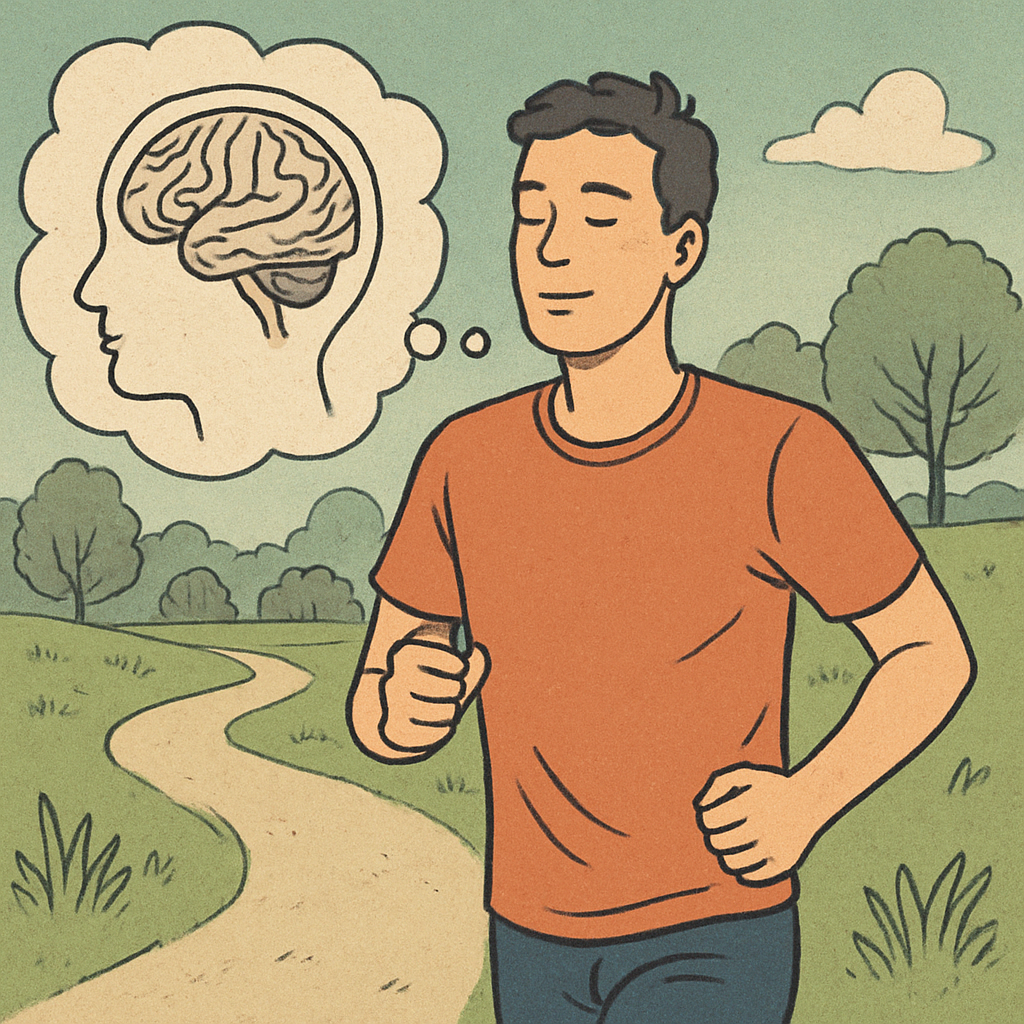
Mindful Running
Mindful running involves being present in the moment while jogging. This means paying attention to your breath, the rhythm of your feet hitting the ground, and the sensations in your body. It’s about being aware of your surroundings and allowing yourself to be fully present in the experience.
Reflective Practice
As you jog, use the time to reflect on your thoughts and emotions. Consider what you’re feeling and why. Allow yourself to process these emotions without judgment. This reflective practice can help you gain insights into your mental and emotional state, leading to greater self-awareness.
Setting Intentions
Before you start jogging, set an intention for your session. It could be as simple as “I want to feel more relaxed” or “I want to understand why I’m feeling anxious.” Setting an intention gives your run a purpose beyond physical exercise and can guide your thoughts during your jog.
The Therapeutic Benefits of Jogging
Jogging therapy can offer numerous therapeutic benefits, particularly for those struggling with stress, anxiety, or depression.
Stress Reduction
Running has been shown to reduce levels of cortisol, the stress hormone. By lowering cortisol levels, jogging can help decrease stress and promote a sense of calm.
Managing Anxiety
Jogging provides a healthy outlet for excess energy and anxious thoughts. The repetitive nature of running can have a meditative effect, helping to quiet the mind and reduce anxiety symptoms.
Combatting Depression
Regular jogging can be an effective way to combat symptoms of depression. The release of endorphins during exercise can improve mood and provide a sense of accomplishment and motivation.

Incorporating Jogging Therapy into Your Routine
To reap the benefits of jogging therapy, consistency is key. Here are some tips to incorporate it into your daily routine:
Start Small
If you’re new to jogging, start with short, manageable distances. Gradually increase your distance and intensity as your fitness level improves.
Create a Routine
Establish a regular jogging routine that fits your schedule. Whether it’s a morning jog before work or an evening run to unwind, consistency will help you make jogging a habit.
Find a Support System
Consider joining a running group or finding a jogging partner. Having a support system can provide motivation and accountability, making it easier to stick to your routine.
Listen to Your Body
Pay attention to your body’s signals. Rest if you’re feeling fatigued or experiencing pain. It’s important to avoid pushing yourself too hard and risking injury.
Conclusion: Embrace Your Emotions
Jogging therapy is more than just a physical workout; it’s a journey towards emotional and mental well-being. By embracing your feelings and using jogging as a tool for self-reflection and stress relief, you can achieve a greater sense of balance and fulfillment in your life.
Remember, you can’t run from your feelings, but with jogging therapy, you can face them with strength and resilience. So lace up your running shoes, set an intention, and hit the pavement. Your journey to emotional wellness awaits.
