


10 Tips to Fly Up Hills During Your Runs

Change Your Mindset
The first step in mastering hill running is to change your mindset. Instead of viewing hills as a daunting obstacle, see them as a unique opportunity to enhance your fitness. Hills can be a metaphor for life’s challenges, teaching resilience and perseverance. When you approach hills with a positive attitude, you transform a difficult task into a rewarding experience.
Recognize the Benefits
Hills offer numerous benefits, such as building endurance and increasing overall strength. They push your cardiovascular system and engage muscles that might not be used on flat terrain. By recognizing these advantages, you can appreciate the integral role hills play in your training. Each climb is a step toward becoming a stronger, more efficient runner.
Set Achievable Goals
Setting realistic goals can help you embrace hill running. Start with small inclines and gradually increase the difficulty as you gain confidence. Celebrate small victories, such as reaching the top without stopping or improving your time. These achievements keep you motivated and eager to tackle more challenging hills.
2. Perfect Your Posture
Align Your Body
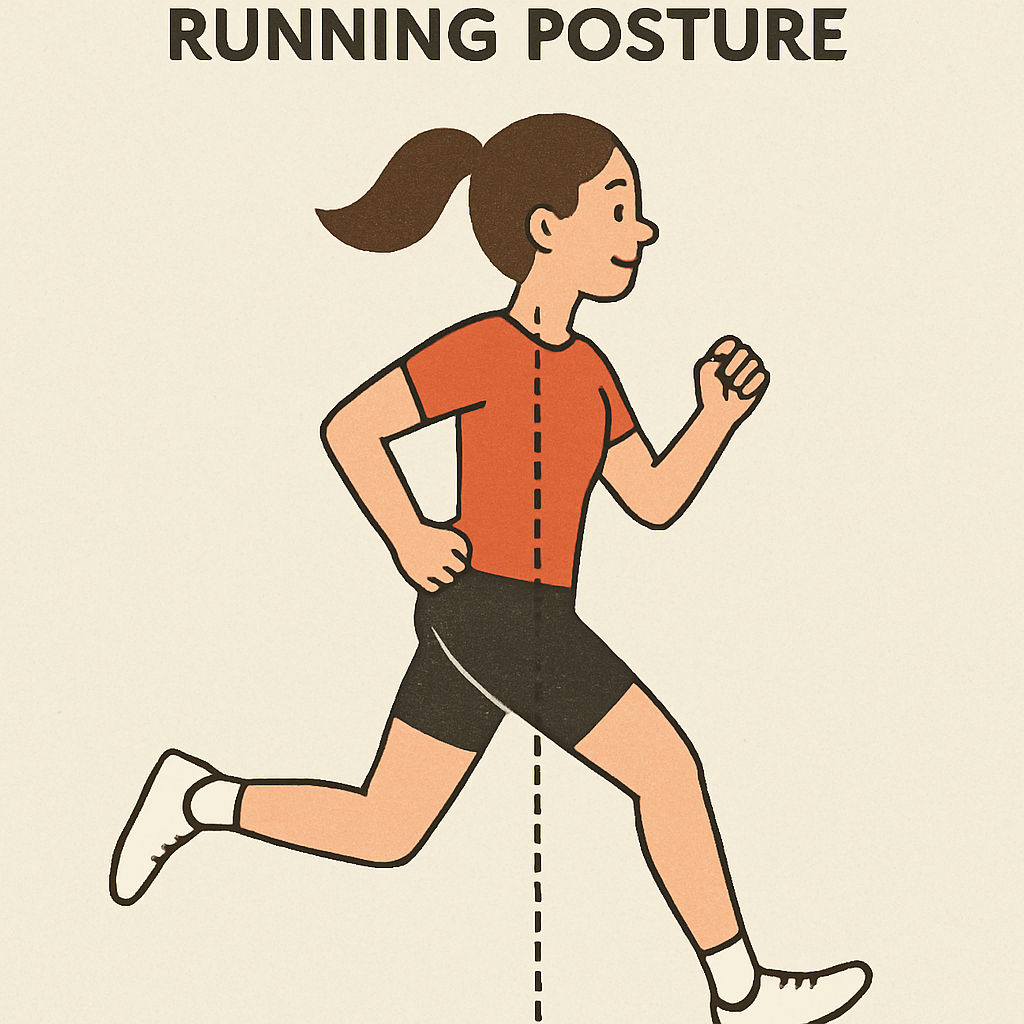
Proper posture is crucial when running uphill. Maintain an upright position with a slight lean from the ankles, not the waist. This alignment engages your core and helps distribute your weight effectively, reducing strain on your lower back. Keeping your head up and eyes forward encourages better oxygen intake and focuses your energy on moving forward.
Engage Your Core
A strong core is vital for maintaining good posture while hill running. Your core muscles stabilize your body and help transfer power from your legs. Incorporate core-strengthening exercises such as planks and Russian twists into your routine. A strong core reduces the risk of injury and enhances your overall running efficiency.
Relax Your Upper Body
Tension in your shoulders and arms can hinder your uphill performance. Keep your chest open and shoulders relaxed to allow for better breathing and fluid movement. Avoid clenching your fists, as this can waste energy. Instead, keep your hands loose and let your arms swing naturally to maintain balance and rhythm.
Maintain a Steady Rhythm
When running uphill, it’s essential to find a rhythm that works for you. Shorten your stride to maintain a steady pace, allowing you to conserve energy and avoid burnout. Consistency in your steps helps keep your momentum going, making the climb feel more manageable.
Focus on Efficiency
Quick, short steps are more efficient than long strides when tackling hills. They reduce the risk of overstriding, which can lead to fatigue and injury. By focusing on landing lightly on your midfoot, you create a smoother, more energy-efficient stride that propels you forward with each step.
Use Your Surroundings
Pay attention to the terrain and adjust your stride accordingly. If the incline becomes steeper, shorten your stride further to maintain control. Use visual markers, such as trees or rocks, to set mini-goals and keep your pace consistent. This technique helps break the hill into manageable sections, boosting your confidence and motivation.
4. Use Your Arms Effectively
Pump with Purpose
Your arms play a critical role in hill running. Pump them vigorously to help drive your legs and maintain balance. The momentum from your arms can propel your body forward, making the climb more efficient. Think of your arms as your secret weapon for powering through tough inclines.
Maintain Proper Form
Keep your elbows bent at about 90 degrees and swing them forward and back, not across your body. This technique helps maintain forward momentum and keeps your upper body engaged. Proper arm movement can prevent unnecessary twisting of your torso, which conserves energy and reduces the risk of injury.
Coordinate with Your Legs
Your arm and leg movements should work in harmony. As your right leg moves forward, your left arm should swing forward, and vice versa. This coordination helps balance your body and maintain a steady rhythm. Practice this synchronized movement on flat terrain before applying it to hill running.
5. Control Your Breathing
Practice Deep Breathing
Effective breathing is key to maintaining stamina on hills. Practice deep, rhythmic breathing to ensure your muscles receive the oxygen they need. Inhale deeply through your nose and exhale through your mouth, focusing on expanding your diaphragm. This technique helps maximize oxygen intake and maintain a calm, controlled pace.
Sync Breathing with Stride
Match your breath to your stride to create a harmonious rhythm. For example, inhale for two steps and exhale for two steps. This synchronization keeps your breathing steady and reduces the risk of breathlessness. Experiment with different patterns to find what works best for you.
Utilize Breathing Exercises
Incorporate breathing exercises into your training routine to improve lung capacity and control. Techniques such as diaphragmatic breathing and alternate nostril breathing can enhance your respiratory efficiency. These exercises prepare you for the demands of hill running, ensuring you’re ready to tackle any climb.
6. Build Strength with Hill Sprints
Integrate Hill Sprints into Training
Incorporate hill sprints into your training routine to build strength and power. Find a moderate hill and sprint up it at maximum effort for 10 to 20 seconds, then walk or jog back down to recover. This form of high-intensity interval training challenges your muscles and cardiovascular system, improving your speed and endurance.
Focus on Form
During hill sprints, maintain proper form to maximize their benefits. Keep your posture upright, engage your core, and use your arms to drive your movement. Concentrate on quick, powerful strides and avoid overstriding, which can lead to injury. By focusing on form, you ensure that each sprint is effective and efficient.
Monitor Progress
Track your progress by noting the number of sprints completed, the time taken, and the level of effort. Gradually increase the intensity and frequency of your hill sprints as your fitness improves. Monitoring your progress helps keep you motivated and provides tangible evidence of your growth as a runner.

7. Focus on Cadence
Understand the Importance of Cadence
Cadence, or the number of steps you take per minute, is a critical factor in efficient hill running. A higher cadence reduces the impact on your joints and minimizes the risk of injury. Understanding the importance of cadence can help you optimize your running technique and improve your overall performance.
Aim for Optimal Cadence
Aim for a cadence of 170 to 180 steps per minute to maintain momentum and reduce the risk of injury. This range promotes a smooth, efficient stride that conserves energy and enhances your running economy. Use a metronome app or music with a similar beat to help you maintain the rhythm during your runs.
Practice Cadence Drills
Incorporate cadence drills into your training to improve your step frequency. Drills such as high knees and quick feet can increase your leg turnover and enhance your neuromuscular coordination. Practicing these drills regularly helps develop a natural, efficient cadence that benefits both hill running and flat terrain.
8. Incorporate Strength Training
Target Key Muscle Groups
Strength training is essential for improving your hill running performance. Focus on exercises that strengthen your glutes, hamstrings, quads, and calves. These muscle groups are crucial for providing the power and stability needed to tackle inclines. By targeting these areas, you build a strong foundation for successful hill running.
Include Compound Exercises
Incorporate compound exercises such as squats, lunges, and deadlifts into your strength training routine. These exercises engage multiple muscle groups, enhancing your overall strength and endurance. Compound movements mimic the dynamic action of running, making them particularly beneficial for hill training.
Balance with Flexibility
While strength is important, don’t neglect flexibility. Incorporate stretching and mobility exercises to maintain a full range of motion and prevent injury. Flexibility enhances your stride efficiency and reduces muscle tightness, ensuring you’re prepared for the demands of hill running.
9. Practice Visualization Techniques
Imagine Success
Visualization techniques can be a powerful tool for conquering hills. Before your run, visualize yourself running smoothly and confidently up the hill. Picture every detail, from your posture to your breathing. This mental rehearsal can boost your confidence and improve your performance during the actual run.
Create a Mental Blueprint
Develop a mental blueprint of your hill running strategy. Visualize the route, anticipate challenges, and plan your approach. This preparation helps reduce anxiety and equips you with a clear plan of action. By mentally rehearsing your run, you enhance your focus and readiness for the task ahead.
Utilize Positive Affirmations
Incorporate positive affirmations into your visualization practice. Repeat phrases such as “I am strong,” “I can conquer this hill,” or “I am prepared” to reinforce your confidence. Positive self-talk can shift your mindset, empowering you to tackle hills with determination and resilience.
10. Cool Down and Stretch
Prioritize Recovery
After tackling hills, it’s important to cool down properly to aid recovery and prevent injury. Finish your run with a gentle jog or walk to gradually lower your heart rate. Cooling down helps prevent blood pooling and reduces muscle soreness, preparing your body for future training sessions.
Incorporate Stretching
Follow your cool-down with a series of stretches targeting your calves, hamstrings, and hip flexors. Stretching helps release tension and improves flexibility, reducing the risk of injury. Focus on holding each stretch for 15-30 seconds to allow your muscles to relax and recover.
Implement Active Recovery
Incorporate active recovery techniques, such as foam rolling or light yoga, into your post-run routine. These activities promote blood circulation and alleviate muscle tightness. Active recovery enhances your overall recovery process, ensuring you’re ready for your next hill running challenge.
Conclusion
Hill running doesn’t have to be a dreaded part of your training routine. With the right techniques and mindset, you can conquer hills with ease and even enjoy the challenge. Embrace the incline, perfect your posture, and focus on your breathing and cadence. Incorporate strength training and visualization techniques to further enhance your performance. By following these ten tips, you’ll be flying up hills in no time.
Remember, consistency is key. Incorporate these tips into your regular training routine and watch your hill running skills improve over time. Happy running!
