


Eating healthy is often seen as expensive. Many believe it requires a big budget. But experts disagree.
A healthy diet need not break the bank. With the right strategies, it can be affordable.
Cheap healthy eating is possible. It just takes some planning and smart choices.
Budget-friendly meals can be both nutritious and delicious. You don’t have to sacrifice taste for cost.
Understanding healthy diet affordability is key. It involves knowing where to shop and what to buy.
Buying in bulk can save money. So can choosing store brands over name brands.
Seasonal produce is often cheaper. It’s also fresher and more flavorful.
Whole grains, beans, and legumes are cost-effective. They provide essential nutrients without a high price tag.
Cooking at home is another way to save. It’s usually cheaper than dining out.
Reducing food waste is crucial. Using leftovers creatively can stretch your food budget further.
Frozen fruits and vegetables are a great option. They are nutritious and often less expensive than fresh.
Community gardens and farmers’ markets offer affordable produce. They also support local growers.
Coupons and store loyalty programs can help. They provide discounts on healthy foods.
Meal planning and preparation are vital. They ensure you make the most of your food budget.
By following these tips, you can enjoy a healthy diet without overspending. It’s all about making informed choices.
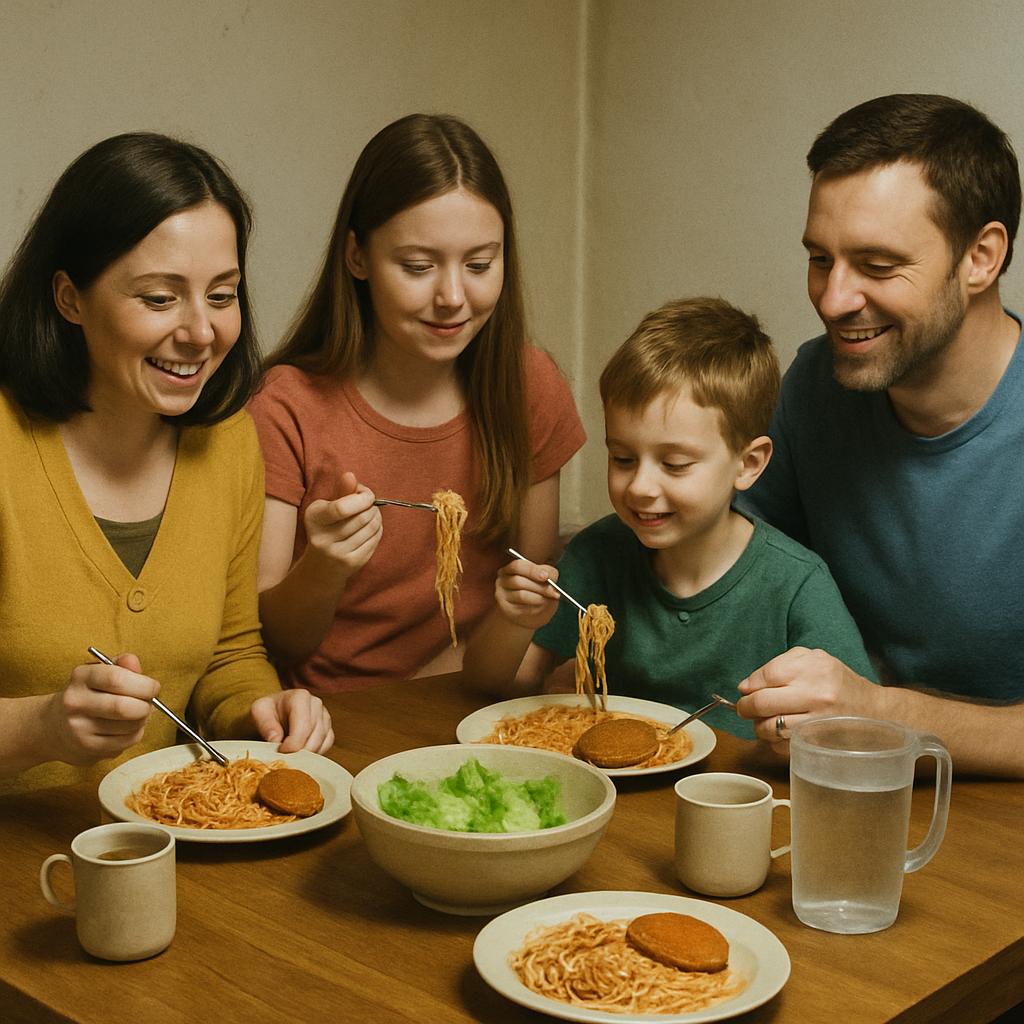
The Myth: Healthy Eating Is Always Expensive
The idea that healthy eating is costly is widespread. Many people assume that nutritious foods are out of reach financially.
This belief often stems from seeing high-priced organic items. Premium products in supermarkets can create this misconception.
Yet, a healthy diet doesn’t require exclusive ingredients. Basics like fruits, vegetables, and grains are quite affordable.
Let’s debunk the myth by considering different strategies. You can choose wisely without straining your wallet.
Consider the following factors when dismissing this myth:
- Bulk purchasing of staples like rice and beans.
- Utilizing community resources like farmers’ markets.
- Opting for store brands over premium options.
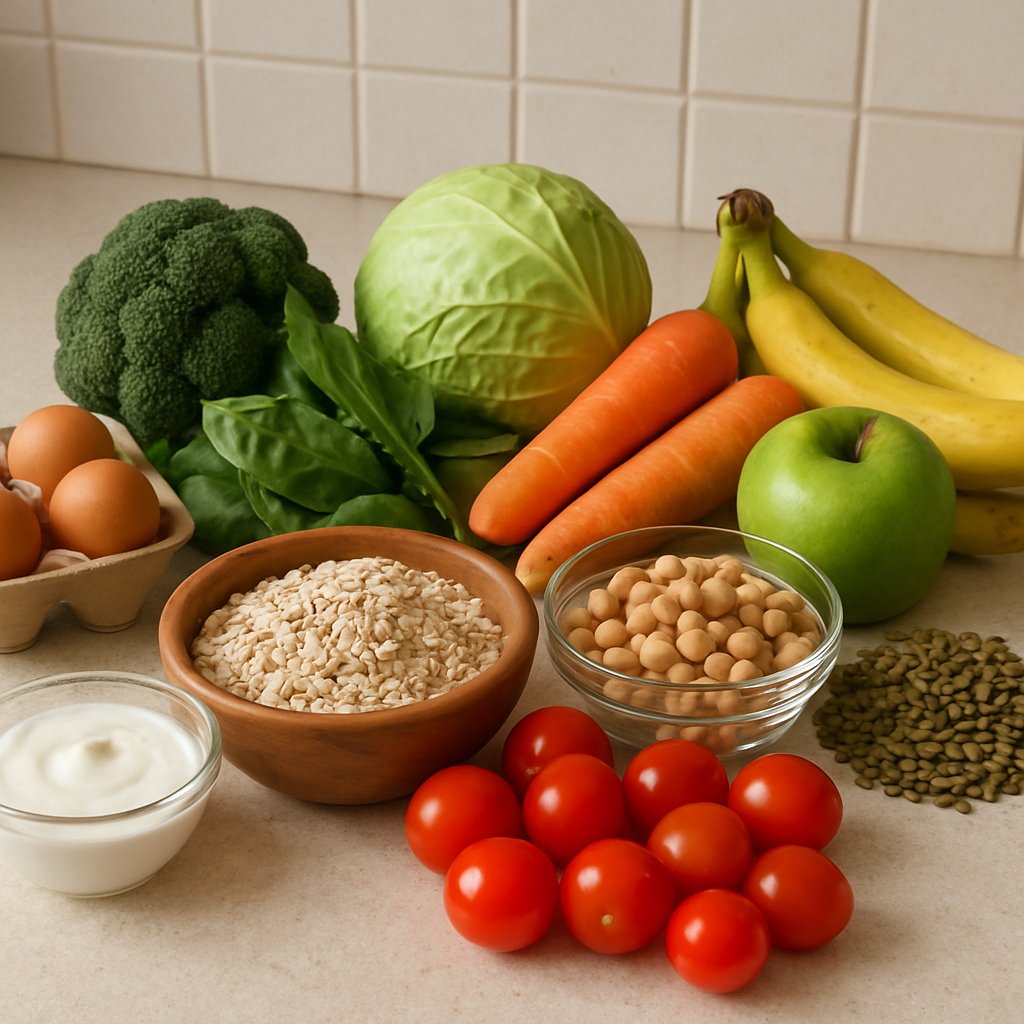
These approaches offer practical benefits. By focusing on them, you can enjoy nutritious meals at a lower cost.
Furthermore, cooking at home plays a significant role. Preparing your meals is almost always cheaper.
Time and effort invested in home cooking pay off. It’s more economical than dining out regularly.
Changing perception is also vital. Many people are unaware of the financial feasibility of a healthy diet.
Understanding the true costs versus perceived ones is necessary. Knowledge can help shift this perspective.
What Experts Say About Healthy Diet Affordability
Nutrition experts continue to explore why healthy eating is often viewed as expensive. Many nutritionists argue that a nutritious diet need not break the bank.
Their insights reveal that affordability and nutrition can coexist. Many emphasize the importance of understanding food choices and their costs.
Researchers have found that whole foods are often less costly. They encourage consumers to shop smart, choosing nutrient-dense items.
Experts highlight several strategies for maximizing nutrition on a budget:
- Prioritize whole grains, legumes, and seasonal produce.
- Cook meals at home using simple, wholesome ingredients.
- Plan meals and stick to a shopping list.
These approaches allow individuals to enjoy diverse meals. Experts agree that this shift in mindset is vital for lasting changes.

Additionally, dietitians underline the benefits of plant-based diets. Including more vegetables and grains can reduce expenses.
Plant-based meals are often less expensive than meat-heavy diets. They also offer significant health benefits, adding to their value.
Education on nutrition plays a critical role. Experts stress the need to understand nutritional labels to identify cost-efficient options.
Food education can empower consumers. It allows them to make choices that align with both their health goals and budget constraints.
Furthermore, dieticians recognize the impact of community resources. Initiatives like community gardens and cooking classes can be invaluable.
These resources provide access to fresh produce and cooking skills. They also foster a sense of community around healthy living.
Understanding portion sizes and their cost implications is crucial. Experts recommend proper portion control to prevent waste and cost.
In conclusion, experts advocate for informed choices and resource utilization. Such strategies make healthy diets both feasible and sustainable.
Comparing Costs: Healthy vs. Unhealthy Diets
Many assume that unhealthy diets are cheaper than nutritious ones. However, this belief doesn’t always hold up under scrutiny.
A closer look often reveals hidden costs in unhealthy eating. Processed foods may seem cheaper but often lack essential nutrients.
Nutrition-rich items like fruits and grains are budget-friendly over time. Their dense nutrient profile means eating less to feel full.
Economic studies frequently compare the costs of various diet types. Findings often indicate that healthy foods are more cost-effective.

Consider the cost of fresh produce versus sugary snacks. Though upfront costs might be higher, health outcomes balance the difference.
In contrast, unhealthy diets can lead to medical expenses. Long-term health care costs can outweigh initial savings from cheap foods.
Let’s break down some costs typically associated with each:
- Healthy Options: Fresh vegetables, grains, legumes.
- Unhealthy Options: Processed snacks, sugary drinks, fast food.
Initial price comparisons might suggest unhealthy options are cheaper. But one must consider factors like health impact and nutrient density.
Shopping habits play a big role in cost perceptions. Buying whole ingredients to prepare at home is often cheaper and healthier.
Healthy diets can be sustained by understanding shopping tactics. This includes bulk purchasing, seasonal buying, and brand comparisons.
For many, the challenge lies in meal preparation and planning. A little effort in the kitchen can reveal real savings over time.
Unhealthy diets may offer convenience at a surface level. Yet, the long-term benefits of healthy eating outweigh these short-term gains.
Ultimately, understanding food’s full impact on health and budget is vital. When compared honestly, healthy foods often win the cost war.
The Building Blocks of Cheap Healthy Eating
Crafting a cost-effective, nutritious diet starts with understanding basic food components. These components are essential for a balanced diet on a budget.
Whole grains, legumes, and beans serve as foundational elements. They offer protein and fiber without breaking the bank.
Items like brown rice, quinoa, and lentils are versatile and affordable. These staples work in a wide array of dishes, adding nutrition and flavor.

Incorporating seasonal fruits and vegetables is another smart move. These choices are not only fresher but also tend to be more economical.
Local farmers’ markets can provide diverse, fresh produce options. Buying what is in season reduces costs while supporting the local economy.
Protein is another key component of healthy eating. Plant-based proteins such as chickpeas and tofu are both cheap and nutritious.
Animal proteins, if chosen wisely, can fit into a budget-friendly meal plan. Look for sales or bulk options for items like chicken or eggs.
Including a variety of colors and types in your diet ensures nutrient diversity. This also keeps meals exciting and reduces monotony.
A strategic approach to cheap healthy eating often involves preparation. Here’s a simple shopping list to consider:
- Whole Grains: Brown rice, oats, whole wheat pasta
- Legumes: Lentils, black beans, chickpeas
- Seasonal Produce: Apples, carrots, greens
- Affordable Proteins: Eggs, canned fish, tofu
Another practical step is embracing frozen fruits and vegetables. These are equally nutritious and often more affordable than fresh.
Healthier snack options can be inexpensive too. Try nuts, seeds, or homemade energy bars using oats and peanut butter.
Here’s an example list of snacks:
- Nuts and Seeds: Almonds, sunflower seeds
- Simple Homemade Snacks: Trail mix, granola bars
- Fruits: Bananas, berries (frozen if necessary)
Understanding these building blocks helps in creating budget-friendly meals. The goal is to balance taste, nutrition, and cost.
Cooking at home is also an invaluable part of cheap healthy eating. By preparing meals yourself, you can control costs and ingredients.
Experiment with spices and herbs for flavor without added expense. These simple changes can transform basic ingredients into delightful dishes.
Adopting these habits can guide you towards a healthier, more affordable diet. It’s about making informed choices that benefit both your health and wallet.
Budget-Friendly Meals: Real-World Examples
Eating well on a budget requires creativity and planning. But with the right approach, healthy meals can be affordable and delicious.
Start your day with a nutritious, cost-effective breakfast. Consider oatmeal topped with seasonal fruits or nuts for a filling meal.
Oatmeal is a budget favorite. It’s versatile and can be enhanced with various toppings according to your taste.
Another great option is homemade smoothies. Use frozen fruits, a banana, and some leafy greens for a nutrient-packed start.

For lunch, think of hearty, veggie-packed soups or stews. They are not only satisfying but also economical and easy to prepare in bulk.
Try a lentil soup filled with vegetables and spices. It’s low-cost but provides plenty of protein and fiber.
A simple pasta salad can also be a go-to meal. Use whole-grain pasta, fresh tomatoes, cucumbers, and a simple vinaigrette.
For dinner, consider stir-fried dishes. A mix of seasonal vegetables and a protein source like tofu or chicken is both healthy and inexpensive.
When planning meals, consider the following budget-friendly options:
- Breakfast Ideas: Porridge with fruit, egg sandwiches
- Lunch Choices: Vegetable soups, grain salads
- Dinner Meals: Stir-fries, casseroles
Snacks can be healthy and cheap too. Make your own popcorn and season it with your choice of spices.
A basic trail mix with dried fruits and nuts is another excellent snack. It’s easy to prepare and transport.
Consider these snack ideas to complement your meals:
- Savory Snacks: Popcorn, roasted chickpeas
- Sweet Snacks: Homemade energy bars, fruit slices

Don’t overlook using leftovers creatively. A leftover roasted chicken can transform into chicken salad or tacos.
Batch cooking on weekends can save both time and money. Prepare larger meals and freeze portions for later use.
Experiment with global flavors to diversify your meals. Dishes from different cuisines often rely on inexpensive ingredients like rice and beans.
Remember, cooking at home is key to maintaining a cost-effective healthy diet. It gives you control over the ingredients and portion sizes.
Embrace these real-world meal examples. They show that with a bit of planning, a healthy diet need not be expensive.
Smart Shopping: How to Save on Healthy Foods
Shopping smartly can drastically cut down your grocery bills. It’s about making mindful choices and planning.
Firstly, never shop without a list. A list helps you avoid impulse buys that can be costly.
Before heading to the store, check what you already have. This helps prevent unnecessary purchases.
Learn to compare unit prices. They show the cost per ounce or gram, allowing for better deals.
Don’t shy away from generic or store brands. They often offer similar quality at a lower price.
Consider shopping at discount grocery stores. They can offer significant savings on food items.
Embrace buying in bulk. Staple foods like rice, beans, and pasta usually have a long shelf life.
Explore these strategies for better shopping:
- Pre-shopping tips: Use a list, compare prices
- While shopping: Opt for generic brands, buy in bulk

Seasonal produce is often more affordable. Plus, it’s fresher and more nutritious.
Try to shop at farmers’ markets, where local produce can be cheaper. It’s also a chance to support local agriculture.
Make use of coupons and store loyalty programs. Many stores offer discounts that can lower your total bill.
Planning meals around sale items is another savvy way to save. Check weekly ads and plan accordingly.
Stick to the perimeter of the store where fresh produce and staples are found. The middle aisles often contain processed foods.
Opt for frozen fruits and veggies. They retain nutrients and are often cheaper than their fresh counterparts.
Consider these additional tactics:
- Produce savings: Seasonal, local markets
- Overall tips: Coupons, sales planning
Lastly, learn to adapt your list based on what’s available. If certain items are too expensive, find alternatives.
Smart shopping requires awareness and preparation. But the savings can make eating healthy more attainable.
Meal Planning and Preparation for Affordability
Meal planning is the cornerstone of budget-friendly eating. It helps control costs while ensuring balanced nutrition.
Start by setting a weekly menu. It reduces guesswork and helps in efficient shopping.
Choose recipes with overlapping ingredients. This minimizes food waste and maximizes usage.
Batch cooking is a game-changer. Prepare large meals and freeze portions for busy days.
Use Sundays or a free day to prep for the week. Chop vegetables and marinate proteins in advance.
Include a variety of simple, versatile dishes. This ensures you’re never bored with meals.
Meal prepping also helps control portions, reducing overeating and food expense.
Here’s a quick guide to effective meal prep:
- Basic steps: Set a menu, overlap ingredients
- Preparation tips: Batch cook, use free days

Focus on low-cost staple foods like rice, beans, and pasta. They serve as a base for many meals.
Incorporate plant-based meals; they tend to be cheaper than meat-based ones.
Use affordable proteins like eggs and canned fish. They’re rich in nutrients without a hefty price tag.
Consider making your own snacks. Homemade granola bars or trail mix can be cheaper than store-bought varieties.
Prioritize meals that require minimal ingredients. These recipes are usually simple and budget-friendly.
Check out these meal-focused tips:
- Staples: Rice, beans, affordable proteins
- Other ideas: Homemade snacks, minimal ingredient recipes
Utilize leftovers creatively. Transform them into new dishes to keep meals exciting.
Meal planning requires time and effort upfront, but the savings are worthwhile. It allows you to enjoy diverse, healthy meals without overspending.
Reducing Food Waste: Stretching Your Food Budget
Food waste is a significant drain on your budget. By reducing it, you can save money and resources.
Proper storage methods prolong freshness. Keep produce in designated drawers and dry goods in airtight containers.
Understand the difference between “sell by” and “use by” dates. Many foods are safe beyond these dates if stored correctly.
Incorporate leftovers into new meals. For example, use cooked vegetables in omelets or soups.
Make a habit of planning meals around perishables. Use up ingredients close to expiring first.
Creating a food inventory helps track what you have. This reduces duplicate purchases and prevents items from going bad.
Buying in bulk can result in food waste if not stored properly. Share bulk items with friends or family if necessary.
Here are some tips to help reduce food waste at home:
- Storage: Use proper methods, understand food labels
- Utilization: Reinvent leftovers, track inventory

Education is crucial for minimizing waste. Learn which foods can be frozen and how to preserve them.
For instance, freezing overripe bananas can save them for smoothies or baking later.
Consider composting food scraps. It’s a sustainable way to handle waste and even enriches garden soil.
Be mindful of serving sizes. Serve smaller portions and allow seconds to prevent plate waste.
Joining a community garden teaches preservation and the importance of waste reduction.
Transform your kitchen into a zero-waste zone. Smart buying, storing, and consuming habits achieve this goal.
Reducing food waste is not only eco-friendly but also cost-effective. It allows you to stretch your food budget and enjoy more with less.
Cooking Skills for Cost-Effective Healthy Eating
Cooking at home is generally more affordable and healthier than dining out. Learning basic cooking skills can dramatically reduce food expenses.
Start with mastering simple techniques. Skills like chopping, sautéing, and boiling form the foundation of countless recipes.
Experiment with different cuisines. Exploring international flavors can make meals exciting and budget-friendly.
Recipes with few ingredients often cost less. Focus on dishes like soups, stews, and stir-fries for economical options.
Efficient use of appliances like slow cookers or pressure cookers can save time and tenderize cheaper cuts of meat.
Prepping ingredients in advance also saves time. It enables quick meal assembly on busy days.

Consider these essential kitchen skills to enhance your cooking:
- Chopping and Cutting: Basic knife skills
- Basic Cooking Methods: Boiling, baking, sautéing
- Meal Prepping: Planning and organizing ingredients
Bulk cooking is another effective strategy. Prepare large batches and freeze portions for future meals.
Utilizing leftovers creatively can stretch ingredients further. Incorporate them into new, interesting dishes to reduce waste.
Growing simple herbs at home offers a fresh, inexpensive way to boost flavor without spending extra.
Learning to bake can also be beneficial. Homemade bread or muffins are healthier and cheaper than store-bought versions.
Attending community cooking classes can be a great way to acquire skills. They often focus on budget-friendly, nutritious meals.
Video tutorials and online recipes provide valuable guidance. Many resources offer step-by-step instructions for novice cooks.
Investing in some basic tools can make cooking easier. A good knife, cutting board, and set of pots can enhance your kitchen capabilities.
Ultimately, cooking skills empower you to take control of your diet and wallet. Learning to cook efficiently and effectively is a smart investment in your health and finances.
Affordable Nutrition for Different Lifestyles
Eating healthy on a budget is possible, no matter your lifestyle. Understanding unique dietary needs can help tailor cost-effective choices.
Vegetarians and vegans have access to various plant-based options that are both nutritious and economical. Foods like beans, lentils, and grains offer essential nutrients without breaking the bank.
For active individuals, nutrition should support energy needs. Whole grains, lean proteins, and high-fiber fruits provide ample fuel for workouts.

Families with children can benefit from budget-friendly meals that appeal to all ages. Simple recipes like homemade pizza or taco night can be both fun and nutritious.
Busy professionals might focus on quick, healthy meals. Consider overnight oats or smoothies for nutritious breakfasts on the go.
Here’s a list of budget-friendly options for different dietary needs:
- Vegans and Vegetarians: Lentil soups, chickpea salads
- Active Lifestyles: Whole grain pasta, quinoa bowls
- Families: Vegetable stir-fry, home-baked casseroles
- Busy Schedules: Meal prep salads, homemade wraps
Seniors might emphasize soft, easy-to-chew foods. Wholesome soups or stews made with seasonal vegetables are both budget-friendly and nutrient-rich.
Students can thrive on simple, low-cost dishes like pasta with homemade tomato sauce. Stocking up on versatile staples ensures consistent nutrition.
Understanding individual preferences can help in designing meals that are both enjoyable and affordable. Personalization enhances dietary adherence and satisfaction.
Adaptability is key when choosing ingredients. Embrace seasonal produce and sale items to maximize nutrition value while minimizing cost.
Ultimately, affordable nutrition means making mindful and informed choices that align with personal health goals and lifestyle demands. With creativity and planning, a healthy diet can seamlessly integrate into any lifestyle without excessive spending.
Community Resources and Support for Budget-Friendly Meals
Many communities offer resources to help with affordable eating. These resources can make a big difference in accessing healthy foods.
Local food banks are a valuable source of support. They often provide fresh produce and pantry staples to those in need.

Farmers’ markets may accept assistance programs like SNAP benefits. This accessibility allows everyone to purchase fresh, local produce.
Community gardens are another excellent option. They allow individuals to grow their own fruits and vegetables with minimal cost.
Cooking classes offered by local organizations can be beneficial. These classes can teach valuable skills for preparing affordable, nutritious meals.
Here are some community resources to explore:
- Food Banks: Access free groceries
- Farmers’ Markets: Purchase local produce
- Community Gardens: Grow your own food
- Cooking Classes: Learn cost-effective cooking
- Support Groups: Share tips and resources
Support groups offer a platform for sharing information and resources. Members can exchange ideas for budget-friendly meals and cooking techniques.
Engaging with community resources enhances knowledge and access to affordable nutrition. It also builds a sense of community and shared responsibility for healthy eating.
By tapping into these resources, people can learn how to eat well on a budget. The support of a community fosters sustainable and affordable healthy eating practices.
Overcoming Barriers: Solutions for Low-Income Households
Low-income households often face significant barriers to healthy eating. These obstacles can include limited access to stores with fresh produce.
Transportation can be a major hurdle. Without reliable transport, reaching affordable grocery options can be difficult.

Some areas lack affordable grocery stores nearby. This situation creates food deserts where healthy options are scarce.
Food assistance programs can mitigate these challenges. Programs like SNAP and WIC offer financial help for purchasing food.
Preparing meals in advance can also be helpful. Planning not only reduces costs but also ensures well-balanced meals.
Simple cooking techniques should not be overlooked. Learning to cook with basic ingredients can stretch tight budgets.
Here are some practical strategies:
- Utilize Assistance Programs: SNAP and WIC
- Plan Meals: Reduce costs and eat balanced
- Share Transportation: Shop together for discounts
- Learn Cooking Techniques: Use simple ingredients
- Seek Community Support: Access to shared resources
Sharing rides with friends or neighbors can also make grocery shopping more feasible. This approach maximizes access to economical stores.
Access to knowledge and resources empowers households to overcome barriers. Communities supporting each other lead to greater self-sufficiency and well-being.
The Role of Policy and Food Systems in Diet Affordability
Policy and food systems play critical roles in diet affordability. Governments can help make healthy food more accessible through various initiatives.
Subsidies and incentives can encourage farmers to produce healthy crops. This approach can lower the cost of fruits and vegetables at the consumer level.

Policies supporting local food systems also enhance access. Encouraging urban farming and farmers’ markets can bring fresh produce to city areas.
Food deserts remain a significant issue in many regions. Policies that encourage the establishment of grocery stores in these areas can help alleviate this problem.
Education is a powerful tool. Government-supported programs that teach budgeting and cooking can empower individuals to make healthier choices.
Policy reform can tackle food marketing. Restricting advertisements of unhealthy foods, especially those targeted at children, can shift consumer behavior.
Key policy recommendations include:
- Implement Subsidies: For healthy crop production
- Promote Local Food Systems: Support urban farming
- Address Food Deserts: Incentivize new grocery stores
- Encourage Education: Budgeting and cooking programs
- Regulate Food Marketing: Focus on healthier choices
Ultimately, a collaborative effort is required to change the food landscape. By working together, governments, communities, and businesses can make healthy eating affordable and accessible for everyone.
Frequently Asked Questions About Healthy Diet Affordability
Many people wonder if a healthy diet can truly be affordable. The answer is yes. There are many ways to eat well without spending a lot.
Why is there a perception that healthy food costs more? Marketing often focuses on expensive, trendy health foods. But staples like beans and whole grains remain cheap and nutritious.
What are effective strategies for eating healthily on a budget? Meal planning and buying seasonal produce can reduce costs significantly.
Let’s answer common questions about affordable healthy eating:
- Is healthy eating only for the wealthy? No, affordable options abound.
- How can I save money on groceries? Use lists and take advantage of sales.
- Are there cheap sources of protein? Yes, beans and lentils are excellent choices.
Understanding these basics can dispel myths about healthy diet costs. By approaching food choices strategically, anyone can eat healthily without breaking the bank.
Conclusion: Making Healthy Eating Affordable for All
Eating a healthy diet need not break the bank. It’s possible with mindful strategies. Awareness and planning are key to success.
By understanding cost-effective practices, you can greatly reduce expenses. Opt for bulk purchasing and choose seasonal produce. These choices go a long way.
Communities can promote change by supporting local food initiatives. Farmers’ markets and community gardens offer nutritious, affordable options.
Here’s a quick recap of effective strategies:
- Plan meals: Reduces impulse buying and waste.
- Buy in bulk: Take advantage of discounts.
- Grow your own: A cost-effective strategy for fresh produce.
Ultimately, affordability hinges on informed choices. With the right approach, everyone can enjoy the benefits of a nutritious diet. Knowledge and community support are the pillars of affordable healthy living. Together, we can make healthy eating accessible to all.
