

A Legacy of Style and Innovation
The influence of Black culture on fashion is deep-rooted, tracing back to the resilience and creativity of African Americans throughout history. Despite facing adversity, Black designers, stylists, and influencers have consistently pushed boundaries, bringing innovation and diversity to the forefront of fashion. Their legacy is one of tenacity and imagination, where each piece of clothing tells a story of cultural heritage and artistic exploration.
The Harlem Renaissance: A Cultural Explosion
The Harlem Renaissance, which spanned the 1920s and 1930s, was a pivotal period for African American culture, art, and fashion. This era was a cultural explosion that saw the emergence of jazz music, literature, and a distinct style characterized by elegance and sophistication. It was a time when African American identity began to shape and influence mainstream culture profoundly.
Fashion during this era was marked by tailored suits, flapper dresses, and bold accessories. The garments were not merely clothing but a statement of pride and cultural identity, reflecting the vibrancy of the community. The influence of this period is still seen today in vintage-inspired collections and the timeless appeal of classic silhouettes, underscoring the enduring impact of the Harlem Renaissance on modern fashion.
The blend of music, art, and fashion created a unique cultural synergy that still resonates in today’s fashion industry. Designers continue to draw inspiration from this era, infusing their collections with the elegance and boldness that defined the Harlem Renaissance. This period remains a testament to the power of fashion as an expression of cultural identity and innovation.
The Civil Rights Movement and Fashion
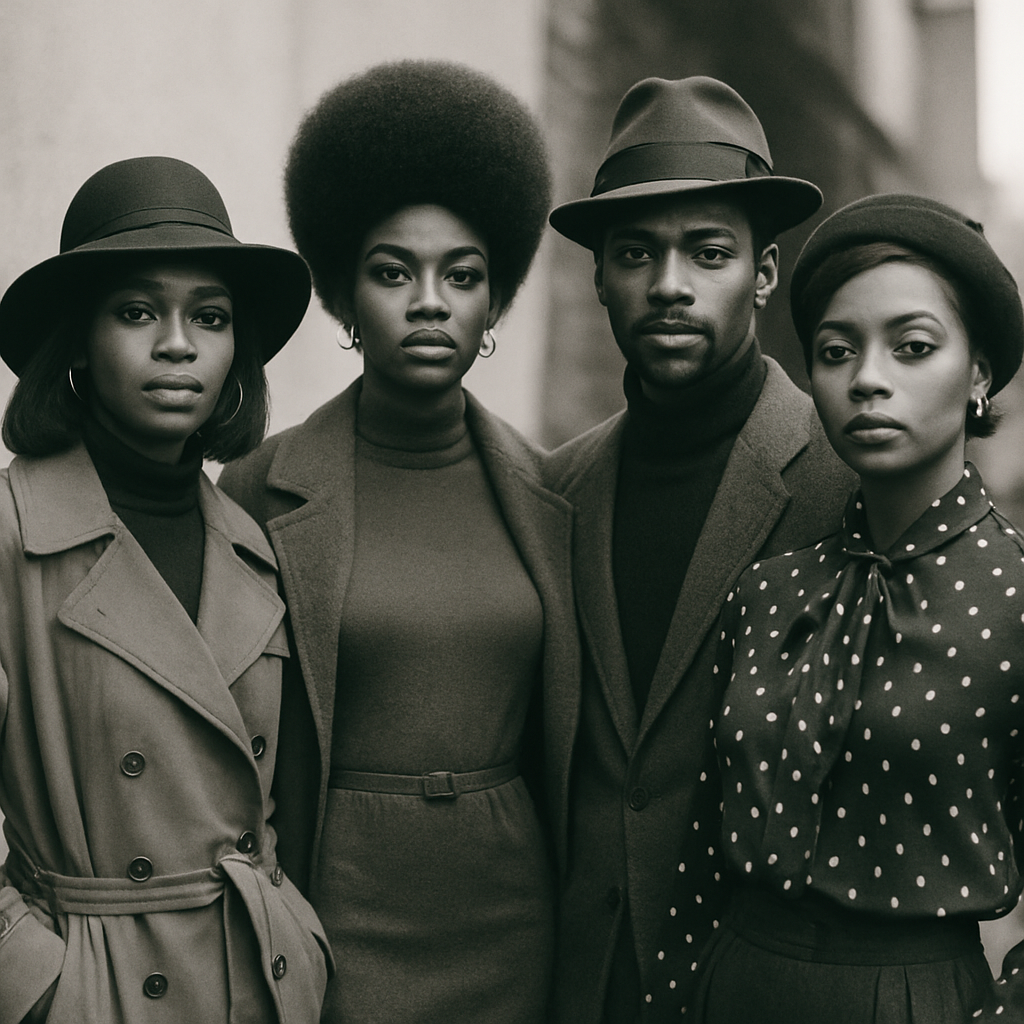
The Civil Rights Movement of the 1960s was not only a fight for equality but also a catalyst for change in the fashion industry. During this time, African Americans used fashion as a means of expression and empowerment. Clothing became a visual symbol of resistance, with styles like the Afro and dashikis becoming icons of pride and self-determination.
These fashion choices were more than just trends; they were declarations of self-respect and defiance against oppression. The boldness of these styles challenged societal norms and inspired a new wave of fashion that celebrated African heritage. Today, these styles continue to inspire designers and fashion enthusiasts around the world, serving as a reminder of the movement’s lasting influence on fashion.
The fashion of the Civil Rights era was about more than aesthetics; it was about making a statement. It provided a platform for African Americans to express their cultural identity and demand respect and recognition. This era of fashion continues to resonate today, influencing modern designs and reminding us of the power of clothing as a tool for social change.
In recent decades, the fashion industry has witnessed a significant rise in the recognition of Black designers and influencers. This shift has brought fresh perspectives and diverse narratives into the fashion conversation, enriching the industry with creativity and cultural insight. The presence of Black talent has not only diversified the fashion landscape but also challenged traditional norms, paving the way for a more inclusive industry.
Trailblazing Black Designers
Designers like Dapper Dan, Virgil Abloh, and Tracy Reese have made significant contributions to the industry, challenging norms and setting new standards. Their work often reflects a blend of cultural heritage and contemporary aesthetics, appealing to a broad audience while staying true to their roots. These designers have become symbols of innovation and resilience, using fashion as a platform to celebrate Black culture and identity.
Their contributions have not only shaped trends but have also opened doors for future generations of Black designers. By breaking barriers and pushing boundaries, these designers have redefined what it means to be successful in the fashion industry. Their legacy is one of inspiration, proving that creativity and cultural expression can lead to transformative change.
The impact of these trailblazing designers extends beyond their collections. They have become role models for aspiring designers, demonstrating the importance of authenticity and cultural pride in the fashion world. Their influence continues to inspire new voices and perspectives, enriching the global fashion landscape with diversity and creativity.
Dapper Dan: Streetwear Pioneer
Dapper Dan, a Harlem-based designer, gained fame in the 1980s for his unique approach to streetwear. He reimagined luxury brands by incorporating logos into custom designs, creating an entirely new genre of fashion. His innovative approach challenged the status quo, blending high fashion with urban style to create something entirely original.
His influence is evident in today’s luxury streetwear collaborations and the ongoing dialogue between high fashion and urban style. Dapper Dan’s work not only transformed the fashion industry but also elevated streetwear to new heights, making it a respected and sought-after style. His legacy is a testament to the power of creativity and cultural expression in shaping the fashion world.
Dapper Dan’s story is one of resilience and innovation, proving that unconventional ideas can lead to groundbreaking success. His designs continue to inspire a new generation of fashion enthusiasts, demonstrating the potential of streetwear as a form of artistic expression. His impact on the industry is undeniable, and his contributions have forever changed the way we view fashion.
Virgil Abloh: Redefining Luxury
As the first African American artistic director at Louis Vuitton, Virgil Abloh broke barriers and redefined luxury fashion. His brand, Off-White, has become synonymous with cutting-edge design and has influenced countless collections across the industry. Abloh’s vision has challenged traditional notions of luxury, blending high fashion with streetwear to create something entirely new.
His work has not only redefined luxury fashion but has also opened doors for other Black designers, paving the way for greater diversity in the industry. Abloh’s influence extends beyond his designs; he has become a symbol of innovation and creativity, inspiring a new generation of designers to push boundaries and challenge norms.
Abloh’s contributions to the fashion industry have been transformative, proving that diversity and creativity can lead to groundbreaking success. His legacy is one of inspiration, encouraging designers to embrace their unique perspectives and cultural heritage. Abloh’s work continues to shape the fashion world, redefining what it means to be a leader in the industry.
Influencers Shaping Modern Trends
In the digital age, influencers play a crucial role in shaping fashion trends. Black influencers, with their unique perspectives and cultural insights, have become key figures in the industry. They leverage platforms like Instagram and TikTok to showcase Afrocentric fashion, promote diversity, and inspire their followers.
These influencers have become powerful voices in the fashion world, using their platforms to advocate for inclusivity and representation. Their influence extends beyond fashion, shaping conversations around culture, identity, and social change. By embracing their cultural heritage and celebrating diversity, Black influencers are redefining what it means to be a trendsetter in the digital age.
The impact of Black influencers on the fashion industry is undeniable, as they continue to inspire and shape modern trends. Their work highlights the importance of diverse voices in the fashion world, proving that creativity and cultural expression are essential to innovation. As they continue to make their mark on the industry, Black influencers are paving the way for a more inclusive and dynamic fashion landscape.

Afrocentric Fashion: A Global Phenomenon
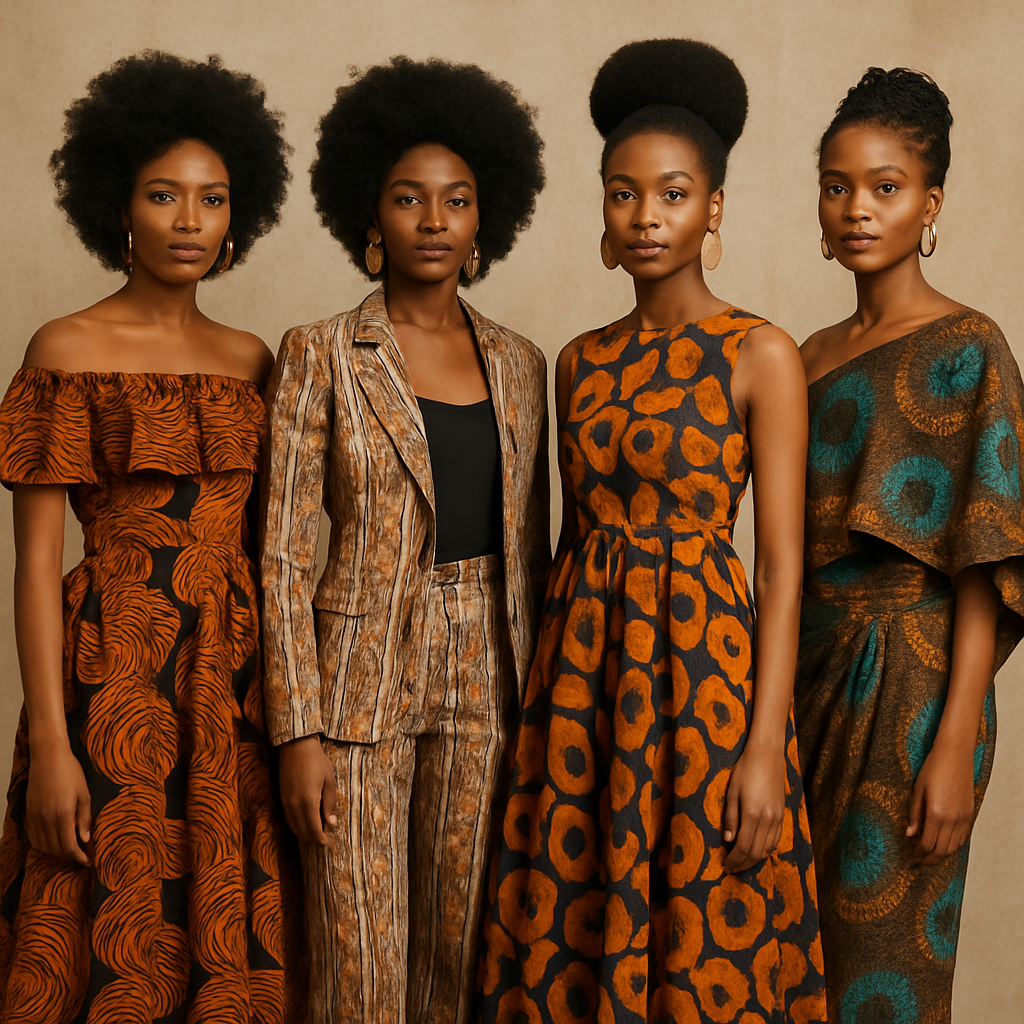
Afrocentric fashion is characterized by vibrant colors, bold patterns, and intricate designs. It celebrates African heritage and identity, incorporating traditional elements into contemporary styles. This fashion movement has become a global phenomenon, influencing designers and fashion enthusiasts worldwide.
The Power of Prints and Patterns
African prints, such as Ankara and Kente, are integral to Afrocentric fashion. These fabrics are not only visually striking but also hold cultural significance, often representing stories, proverbs, and historical events. The intricate patterns and vibrant colors of these prints have captured the imagination of designers and fashion lovers around the globe.
Designers worldwide have embraced these prints, incorporating them into mainstream fashion. This trend highlights the global appreciation for African artistry and craftsmanship, showcasing the beauty and richness of African culture. The widespread popularity of these prints is a testament to the enduring appeal of Afrocentric fashion and its ability to transcend cultural boundaries.
The use of African prints in fashion is more than just a trend; it is a celebration of cultural heritage and identity. By embracing these prints, designers and consumers alike are acknowledging the richness of African culture and its influence on the global fashion landscape. This movement continues to inspire creativity and innovation, proving that fashion can be a powerful tool for cultural expression.
Sustainable Fashion and African Craftsmanship
As the fashion industry moves towards sustainability, African craftsmanship offers valuable lessons in ethical production. Many African communities have long practiced sustainable methods, using locally sourced materials and traditional techniques. This approach to fashion not only supports the environment but also preserves cultural heritage.
By supporting Afrocentric fashion, consumers contribute to sustainable practices and help preserve cultural heritage. This movement encourages the industry to prioritize ethical considerations and celebrate diversity, showcasing the beauty and craftsmanship of African fashion. The integration of sustainability and cultural heritage in fashion is a powerful reminder of the industry’s potential to drive positive change.
The focus on sustainability in Afrocentric fashion is a reflection of the broader industry trend towards ethical production and consumption. By embracing sustainable practices and celebrating cultural diversity, the fashion industry can create a more inclusive and environmentally conscious future. The lessons learned from African craftsmanship are invaluable, offering a blueprint for a more sustainable and ethical fashion industry.
Global Influence and Cultural Exchange
Afrocentric fashion is not limited to Africa; it has become a global phenomenon, influencing designers and fashion enthusiasts worldwide. This movement has sparked a cultural exchange that celebrates diversity and fosters creativity. The global appeal of Afrocentric fashion is a testament to its ability to transcend cultural boundaries and inspire innovation.
Designers from all over the world have drawn inspiration from Afrocentric fashion, incorporating its elements into their collections. This cultural exchange enriches the global fashion landscape, showcasing the beauty and diversity of African culture. The influence of Afrocentric fashion is a powerful reminder of the industry’s potential to foster cross-cultural understanding and collaboration.
The global impact of Afrocentric fashion highlights the importance of cultural diversity in the fashion industry. By embracing different cultural perspectives, the industry can create a more inclusive and dynamic fashion landscape. The influence of Afrocentric fashion continues to inspire creativity and innovation, proving that fashion is a powerful tool for cultural expression and exchange.
Conclusion: Celebrating Diversity and Creativity
The influence of Black culture on fashion is undeniable and continues to shape the industry in meaningful ways. From historical movements to modern trends, African American fashion and Afrocentric styles have enriched the global fashion landscape. This influence is a testament to the power of creativity and cultural expression in shaping the world of fashion.
By embracing diversity and recognizing the contributions of Black designers, influencers, and communities, we can create a more inclusive and innovative fashion industry. The celebration of diversity in fashion is not only about acknowledging past contributions but also about paving the way for future innovation. As we celebrate the remarkable influence of Black in fashion, we acknowledge the power of creativity and culture in shaping our world.
The journey towards a more inclusive fashion industry is ongoing, and the contributions of Black culture are at the forefront of this transformation. By recognizing and celebrating these contributions, we can create a fashion industry that is more reflective of the diverse world we live in. The remarkable influence of Black in fashion is a powerful reminder of the industry’s potential to drive positive change and inspire creativity.
