

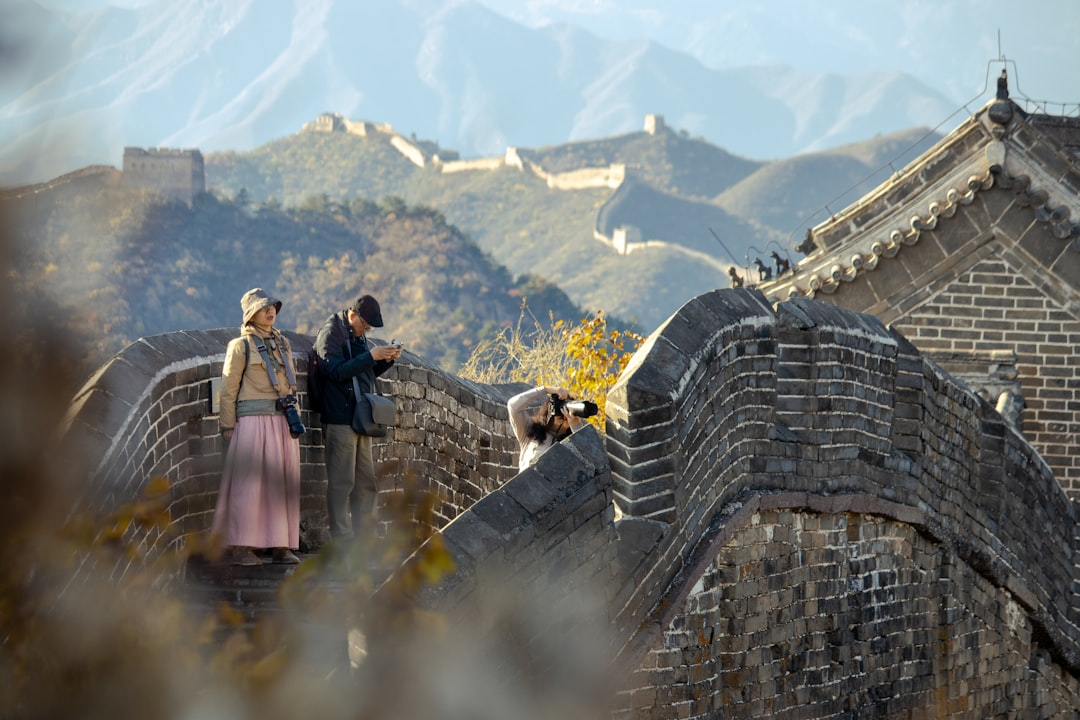
The Great Wall China Trip of a Lifetime
Embarking on a journey to the Great Wall of China is more than just a travel adventure; it’s a dive into thousands of years of history and a testament to human ingenuity. This iconic symbol of China stretches over 13,000 miles, weaving through mountains, deserts, and plains, standing as a guardian of Chinese civilization. As you plan your Great Wall of China trip, here’s a comprehensive guide to help you make the most of this once-in-a-lifetime experience, ensuring that you not only witness its grandeur but also understand its historical significance.
Visiting the Great Wall is not just about traversing its length but also about immersing yourself in the stories and legends that have shaped its existence. From the blood and sweat of ancient soldiers to the whispers of the winds that have brushed against its stones for centuries, the wall is alive with tales waiting to be discovered. Whether you’re a history enthusiast, an adventurer, or someone seeking solace in nature, the Great Wall has something to offer everyone.

The Great Wall of China is not a single wall but a series of fortifications built over several dynasties, each adding its own unique touch to this colossal structure. Construction began as early as the 7th century BC, with various states building walls to protect their territories during the Warring States period. The most famous sections we see today were built during the Ming Dynasty (1368–1644), a period marked by renewed threats from the north, necessitating the strengthening and expansion of the wall.
This monumental feat was primarily constructed to protect against invasions and raids from various nomadic groups of the Eurasian Steppe, including the Mongols and the Xiongnu. Beyond its defensive purposes, the wall also facilitated trade and controlled immigration along the Silk Road, serving as a physical and cultural barrier. Its construction involved countless laborers, including soldiers, prisoners, and local farmers, whose lives were interwoven with the destiny of the wall. The Great Wall’s history is a reflection of China’s resilience, adaptability, and strategic foresight.
Planning Your Great Wall of China Trip
When planning a Great Wall China trip, several factors come into play. From choosing the right section to visit to knowing the best time of year, every detail can enhance your travel experience and ensure that your visit is both enjoyable and meaningful. Proper planning allows you to appreciate the wall’s grandeur without feeling rushed or overwhelmed.
The wall’s immense length and varied geography mean that each section offers a distinct experience. Understanding what you hope to gain from your visit—be it breathtaking views, historical insights, or a challenging hike—will guide you in crafting an itinerary that aligns with your interests. Additionally, being aware of the logistical aspects, such as transportation and amenities, will help you navigate your trip with ease.
Choosing the Right Section to Visit
The Great Wall is divided into many sections, each offering unique scenery and challenges, catering to different interests and levels of physical ability. Here are some of the most notable sections:
- Badaling: The most visited section due to its proximity to Beijing and accessibility. It’s well-preserved and provides stunning views but can be crowded. This section is ideal for first-time visitors who want to see the wall’s grandeur without venturing too far from the city. However, its popularity means you’ll need to navigate through throngs of tourists, especially during peak seasons.
- Mutianyu: Known for its beautiful surroundings and fewer crowds, it’s a great alternative to Badaling. This section boasts restored watchtowers and lush greenery, making it a favorite for those seeking a peaceful experience. Mutianyu’s accessibility via cable cars and toboggan rides adds an element of fun and convenience.
- Jinshanling: Offers breathtaking views and a more challenging hike. It’s less restored, providing an authentic experience. This section is perfect for adventure seekers and photographers looking to capture the wall in its raw, untouched state. The combination of rugged terrain and panoramic vistas creates an exhilarating experience.
- Simatai: Known for its steepness and dramatic ruins, it’s partially open to the public and offers a more rugged experience. Simatai’s isolation and historical significance make it a compelling choice for those interested in the wall’s military architecture and history. The night tours available here offer a unique perspective, allowing you to see the wall under the stars.
Best Time to Visit
Spring (April to June) and autumn (September to November) are the best times to visit the Great Wall. The weather is mild, and the natural landscape is at its most beautiful. During these periods, the wall is surrounded by blooming flowers or colorful foliage, enhancing your experience and providing a stunning backdrop for photographs.
Visiting during these seasons also means avoiding the harsh summer heat and the bitter winter cold, both of which can make the hike less enjoyable. The gentle climate allows for comfortable exploration, whether you’re walking along the wall or simply taking in the surrounding scenery. Planning your visit during these optimal times ensures that you can fully appreciate the wall’s majesty without being hindered by extreme weather conditions.
Preparing for Your Trip
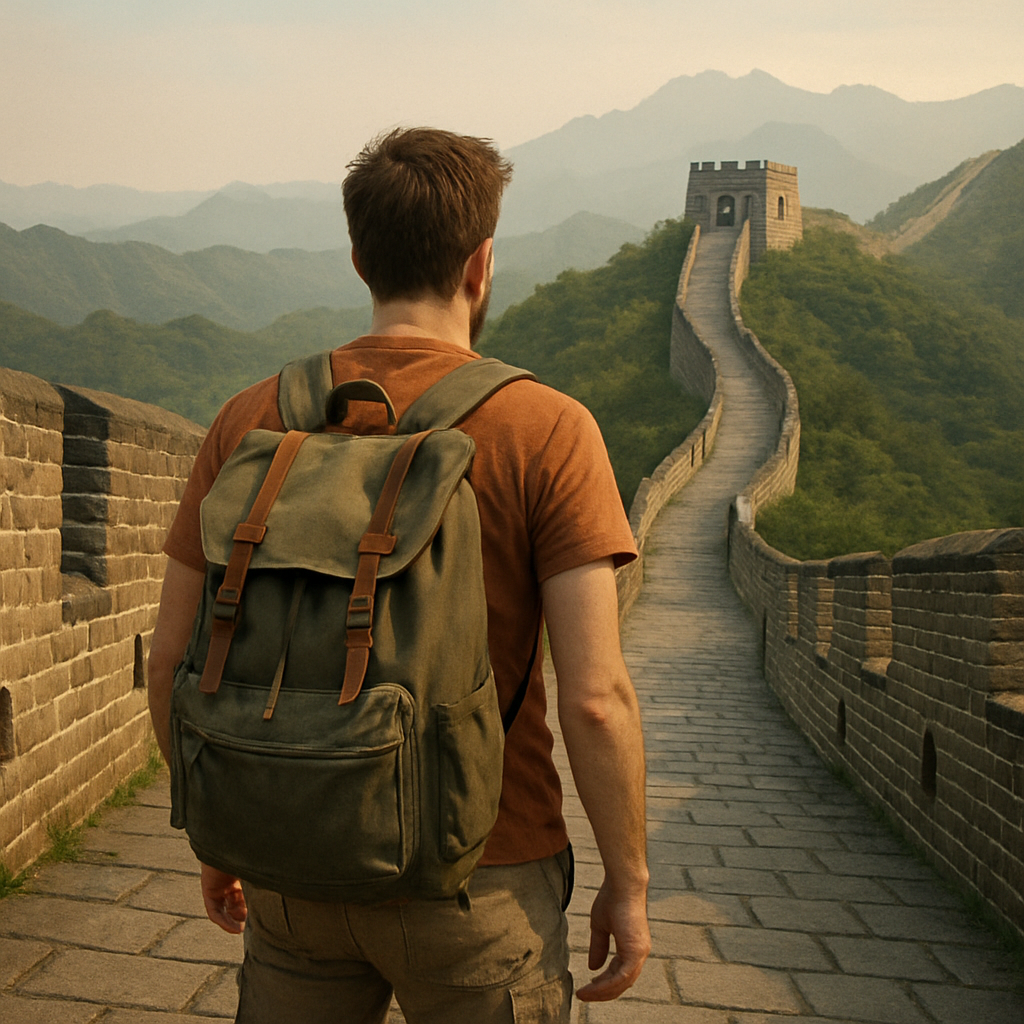
Proper preparation is key to maximizing your Great Wall experience. From packing the right gear to ensuring you’re physically ready, each step you take beforehand will contribute to a more enjoyable journey. Preparing for the unexpected, such as changes in weather or sudden fatigue, will also help you navigate your trip with confidence.
Researching the specific section you plan to visit, understanding its unique characteristics, and knowing what to expect in terms of facilities and accessibility can greatly enhance your experience. Whether it’s arranging transportation or booking accommodations, having a well-thought-out plan will minimize stress and allow you to focus on the adventure ahead.
Packing Essentials
- Comfortable Footwear: The terrain can be uneven and steep, so sturdy hiking shoes are a must. Investing in good-quality footwear will help prevent blisters and provide the support needed for long walks.
- Weather-Appropriate Clothing: Layering is key, as temperatures can vary dramatically throughout the day. Lightweight, breathable fabrics are ideal for staying comfortable in changing conditions.
- Sunscreen and Hat: The sun can be intense, even in cooler months. Protecting your skin from UV rays is essential, as prolonged exposure can lead to sunburn and discomfort.
- Snacks and Water: Facilities are limited on some sections, so it’s wise to bring your own refreshments. Staying hydrated and energized will ensure you can fully enjoy your exploration without interruptions.
Physical Preparation
Some parts of the Great Wall require a good level of fitness, especially if you plan on hiking the more rugged sections. Regular walking or hiking in the weeks leading up to your trip can help ensure you’re physically ready. Building endurance and strength will make the experience more enjoyable and reduce the risk of fatigue or injury.
Consider incorporating exercises that target your core, legs, and cardiovascular health to prepare for the demands of walking long distances on uneven terrain. If possible, practice hiking on similar inclines to get accustomed to the physical exertion required. Being in good shape will allow you to focus on the breathtaking views and historical significance of the wall rather than on physical discomfort.
Experiencing the Great Wall
Walking along the Great Wall is an experience like no other, offering a unique blend of history, nature, and culture. Here’s how to make the most of your visit and ensure that it becomes a cherished memory in your travel journey:
The wall’s undulating form, stretching across diverse landscapes, provides an ever-changing backdrop that captivates and inspires. As you walk its ancient stones, you’ll gain a deeper understanding of the strategic importance and architectural brilliance that went into its construction. Each step along the wall is a step back in time, connecting you with the countless individuals who played a role in its creation and maintenance.
Guided Tours vs. Independent Travel
- Guided Tours: These provide insight into the history and significance of the wall, offering convenience and structure. Knowledgeable guides can share stories and historical context that might be missed when traveling alone. Additionally, guided tours often include transportation and amenities, making the experience more seamless.
- Independent Travel: Allows for flexibility and the opportunity to explore at your own pace. This option is ideal for those who prefer solitude or want to capture unique photographs without the rush. Traveling independently gives you the freedom to linger in spots that captivate you, whether it’s a scenic overlook or a quiet stretch of the wall.
Choosing between a guided tour and independent travel depends on your personal preferences and travel style. Both options have their advantages, and understanding what you hope to gain from your visit will help you make the right choice.
Photography Tips
- Golden Hours: Early morning or late afternoon light can create dramatic shadows and vibrant colors. The soft lighting during these times enhances the wall’s textures and creates a magical atmosphere, perfect for capturing stunning photographs.
- Capture the Curves: The wall’s undulating form across the landscape makes for stunning images. Emphasizing the curves and the way they blend with the surrounding environment can create dynamic and visually appealing compositions.
- Include People: Adding people to your photos can provide perspective and scale. This can highlight the immense size of the wall and add a human element to your shots, making them more relatable and impactful.
Experimenting with different angles, perspectives, and lighting conditions will help you capture the essence of the Great Wall and create lasting memories through your photographs. Whether you’re using a professional camera or a smartphone, being mindful of composition and lighting will elevate your photography.
Activities Beyond Walking
- Cable Car Rides: Available at sections like Mutianyu and Badaling, offering a different vantage point. These rides provide a unique perspective of the wall’s expanse and allow you to appreciate its scale from above.
- Toboggan Rides: A fun way to descend from Mutianyu, perfect for thrill-seekers. This exhilarating ride down the hillside adds an element of adventure to your visit and is a memorable way to conclude your exploration.
Engaging in these activities can enhance your Great Wall experience, offering new perspectives and a sense of adventure. Whether you’re gliding down the hillside or soaring above the wall, these experiences provide a unique way to interact with this iconic landmark.
Tips for a Memorable Trip
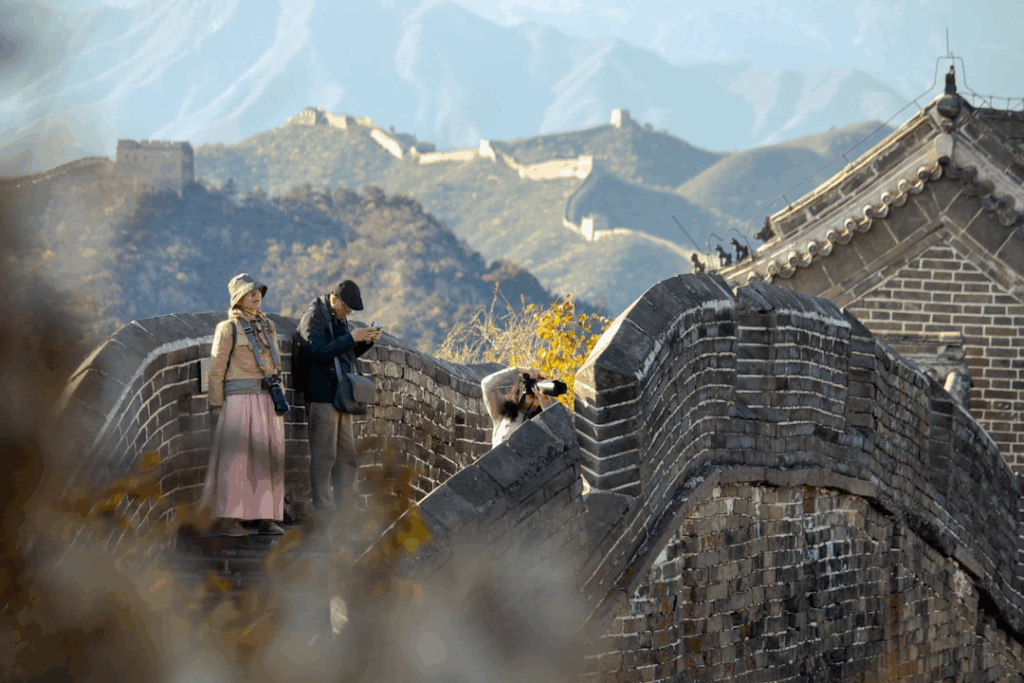
by Tristan (https://unsplash.com/@esaenos)
Creating lasting memories at the Great Wall involves more than just seeing the sights; it’s about immersing yourself in the experience and connecting with the history and culture that surround you. Here are some tips to ensure your trip is both memorable and respectful:
- Start Early: Arriving early can help you avoid crowds and enjoy a more peaceful experience. The tranquility of the wall in the early morning is a stark contrast to the bustling activity that develops later in the day, allowing for quiet reflection and appreciation.
- Be Respectful: Remember that the Great Wall is a historical site. Preserve its beauty by not littering and staying on designated paths. Respecting the environment and the cultural significance of the wall ensures that future generations can enjoy its splendor.
- Interact with Locals: Engaging with local vendors and guides can enrich your understanding of the area and its culture. Their stories and insights can provide a deeper connection to the wall and its surrounding communities, adding a personal touch to your visit.
By following these tips, you’ll not only enhance your own experience but also contribute positively to the preservation and appreciation of the Great Wall. Being a responsible traveler ensures that this incredible site remains a source of inspiration and wonder for years to come.
Conclusion
A trip to the Great Wall of China is a journey through history, culture, and natural beauty. By carefully planning your visit, choosing the right section, and preparing appropriately, you’ll ensure a memorable and enriching experience. Whether you walk its ancient stones or simply take in the panoramic views, the Great Wall offers a timeless adventure that captivates travelers from around the world.
Embark on your Great Wall of China trip and immerse yourself in one of the world’s most remarkable feats of engineering and history. This journey promises not only breathtaking vistas but also a deeper appreciation of China’s rich cultural heritage. As you stand atop this magnificent structure, you’ll be reminded of the resilience and ingenuity that have defined human history, leaving you with a profound sense of connection to the past.
