

How To Take Perfect Travel Photos With Your Film Camera
Capturing the essence of a place through travel photography is a rewarding endeavor, especially when using a film camera. The distinctive charm of film photography lies in its ability to immortalize moments with a timeless aesthetic. In this guide, we’ll explore how to take perfect travel photos with your film camera, sharing practical tips and techniques to enhance your vintage camera photos and make the most out of your travel experiences.
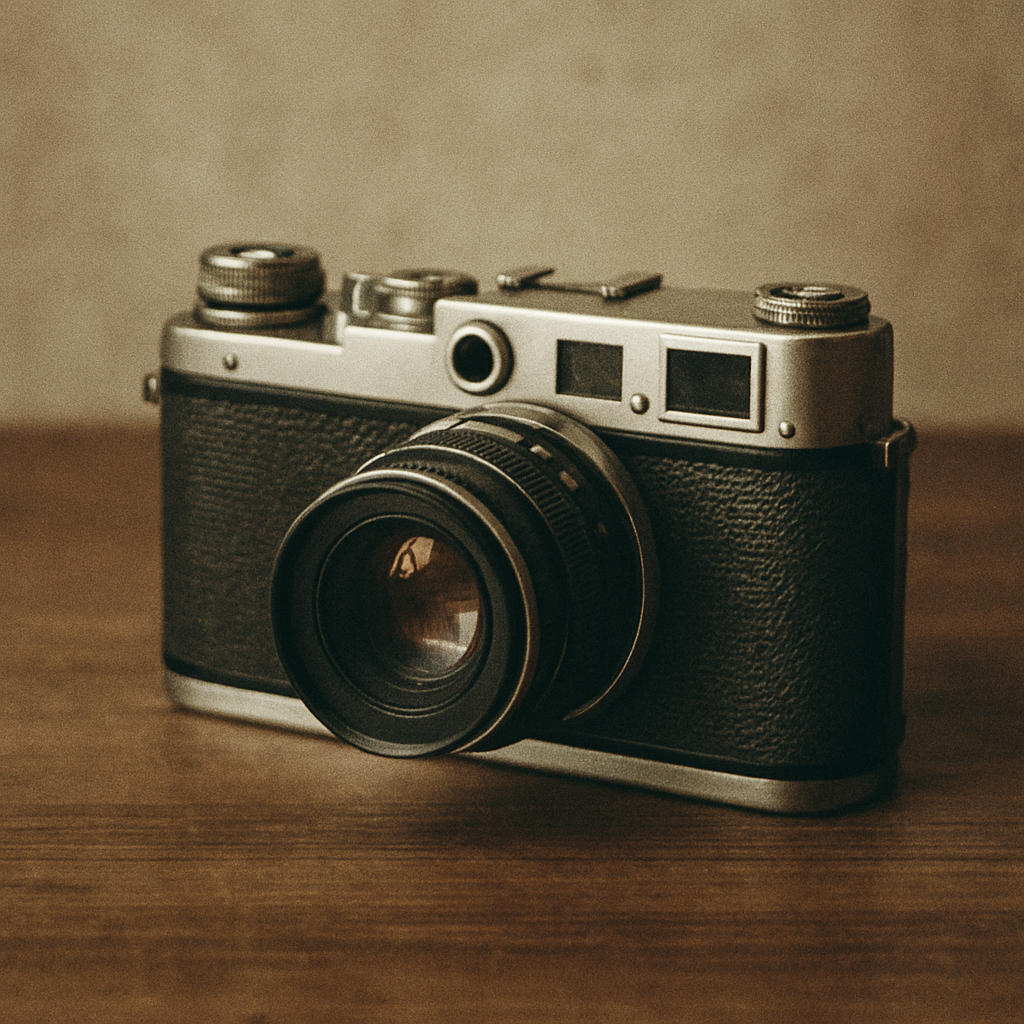
Before embarking on your travel photography journey, it’s crucial to understand the basic functions of your film camera. Familiarize yourself with its settings, such as shutter speed, aperture, and ISO. Unlike digital cameras, film cameras require manual adjustments, making it essential to know how these settings impact your photos.
Exploring Camera Settings
The settings on your film camera are your toolkit for creativity. Shutter speed controls how long the film is exposed to light; a fast shutter speed can freeze motion, while a slow shutter speed can create motion blur for dynamic effects. Aperture, measured in f-stops, influences depth of field; a low f-stop number results in a blurred background, emphasizing the subject, whereas a high f-stop brings more of the scene into focus. ISO affects the film’s sensitivity to light and is crucial for adjusting to different lighting conditions.
Types of Film Cameras
Film cameras come in various types, each offering unique features that cater to different photography styles. SLRs (Single-Lens Reflex) cameras, known for their versatility, allow for interchangeable lenses and precise manual controls. Rangefinders are lauded for their compact size and quiet operation, making them ideal for street photography. Meanwhile, point-and-shoot cameras simplify the process, offering an excellent choice for those who prioritize ease of use over manual control.
Maintaining Your Camera
Proper maintenance of your film camera ensures longevity and consistent performance. Regularly clean the lens with a microfiber cloth to remove dust and smudges. Protect the camera body from moisture and extreme temperatures, which can affect its mechanics and film. Familiarize yourself with common issues, such as light leaks, and learn basic troubleshooting techniques to keep your camera in optimal condition during your travels.
Preparing for Your Travel Photography Adventure
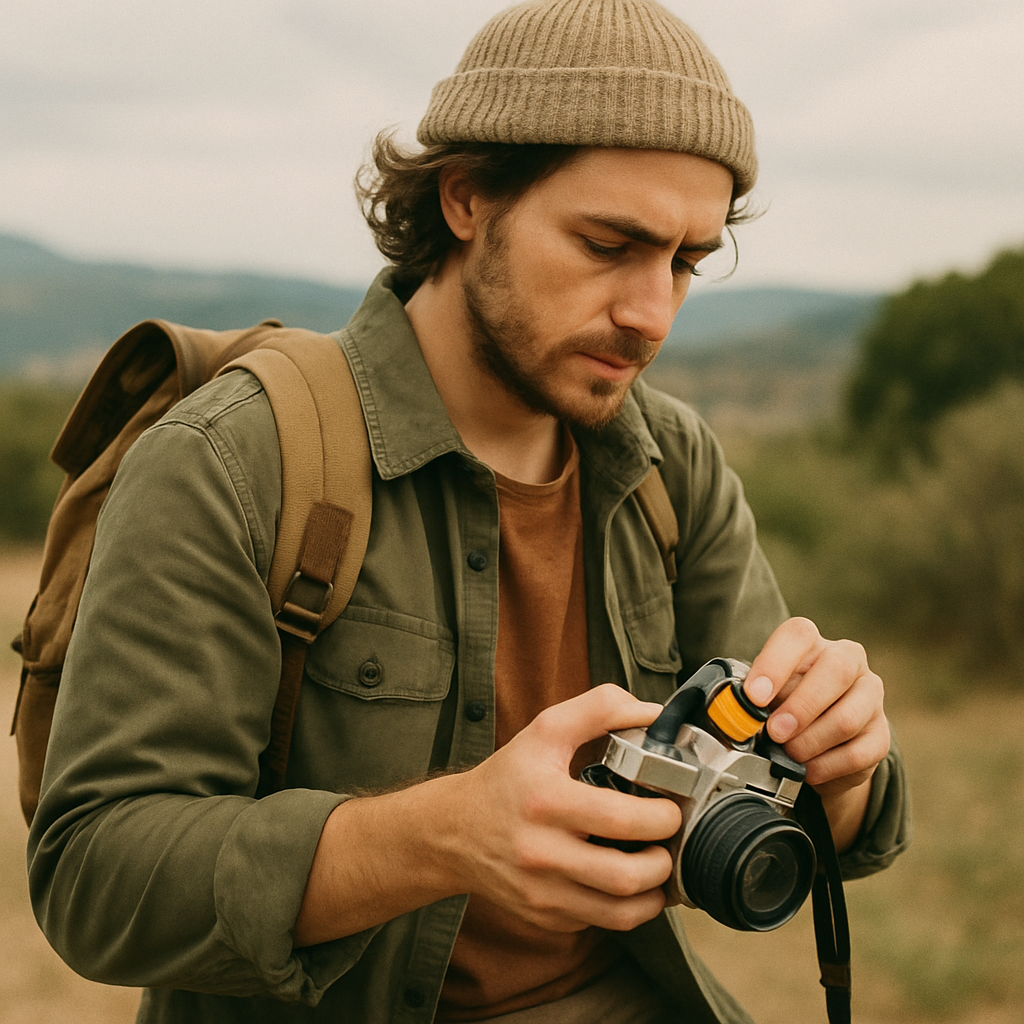
Preparation is key to capturing perfect travel photos. Here are some tips to ensure you’re ready for your adventure:
Research Your Destination
Understanding your destination enriches your photography and storytelling. Research its history, culture, and climate to anticipate challenges and opportunities. Explore iconic landmarks, hidden gems, and seasonal events that could offer unique photographic moments. Delve into local customs and traditions to approach subjects respectfully and capture authentic cultural expressions.
Packing the Essentials
Strategic packing can make or break your travel photography experience. Besides your camera and lenses, pack multiple rolls of film to avoid running out at crucial moments. Include spare batteries, as film cameras often lack battery indicators. A sturdy camera bag protects your gear from damage, while a lightweight tripod aids in low-light or long-exposure shots. Consider weather-specific gear, like lens cloths for humidity and rain covers for wet conditions.
Planning Your Shots
While spontaneity is an integral part of travel photography, having a rough plan can enhance your chances of capturing the perfect shot. Identify the best times for photography, such as the golden hour — the first and last hour of sunlight — which offers soft, warm lighting. Consider the types of shots you want to capture, from landscapes to portraits, and how the light, weather, and time of day will affect these images. A flexible plan allows for creativity while ensuring you don’t miss key opportunities.
Mastering Composition and Lighting
Rule of Thirds
The rule of thirds is a fundamental principle in photography that involves dividing your frame into nine equal parts with two horizontal and two vertical lines. Position your subject along these lines or at their intersections to create balanced and visually appealing images. This technique guides the viewer’s eye naturally and can transform an ordinary scene into a compelling composition.
Leading Lines and Framing
Incorporate leading lines, such as roads, pathways, or rivers, to guide the viewer’s eye towards the main subject. Leading lines draw attention and add depth, making your images more engaging. Additionally, use natural frames like arches, windows, or tree branches to add depth and focus to your composition. Framing not only highlights the subject but also provides context and a sense of place within your photos.
Utilizing Natural Light
Film photography thrives in natural light. Pay attention to the direction and quality of light, and use it to your advantage. Backlighting can create dramatic silhouettes, adding mystery and intrigue to your photos. Side lighting enhances textures and details, bringing out the character and dimension of subjects. Experiment with different lighting conditions to capture a range of moods and atmospheres in your travel photos.
Capturing Authentic Moments

Authentic moments often make the most compelling travel photos. Embrace the spontaneity of your surroundings and be ready to capture candid interactions, local traditions, and daily life.
Engaging with Locals
Interacting with locals can provide unique insights into the culture and customs of your destination. Engage in conversations and show genuine interest in their stories, which can lead to more natural and intimate portraits. When photographing people, always ask for permission and show respect for their privacy and space. This approach not only enriches your experience but also fosters positive interactions and authentic captures.
Telling a Story
Aim to tell a story through your images by capturing a series of photos that convey a sense of place and time. Look for themes or patterns that connect your shots, such as the colors of a market or the rhythm of a street performance. Consider creating a narrative that showcases the diversity and richness of your destination, from bustling streets to serene landscapes, to provide a comprehensive visual journey for your audience.
Capturing Emotions
Emotions are the heartbeat of compelling travel photography. Observe your surroundings and be ready to capture fleeting expressions of joy, curiosity, or contemplation. These emotional moments resonate with viewers and bring your photos to life. By focusing on genuine interactions and reactions, you create images that connect on a personal level and evoke a deeper understanding of the people and places you encounter.
Developing and Preserving Your Film
Once your travel adventure concludes, it’s time to develop your film and preserve your memories. Consider the following steps:
Choosing a Reliable Lab
Select a reputable film lab to develop your film, ensuring that your images are processed with care and expertise. Research labs in advance, reading reviews and seeking recommendations from fellow photographers. Some labs offer scanning services, allowing you to digitize your photos for easy sharing and storage. Quality processing ensures that the colors, tones, and details of your images are faithfully reproduced.
Organizing and Archiving
Properly store your negatives in acid-free sleeves or binders to prevent damage. Label them with details of your trip, including dates and locations, for easy reference in the future. Digitize your photos to create a backup and facilitate sharing with friends and family. Consider creating an organized digital archive, categorizing images by locati0n, date, and themes, to easily revisit and share your travel memories.
Exploring Printing Options
Printed photos offer a tangible connection to your travel experiences. Explore printing options to create physical copies of your favorite shots. Consider traditional prints, photo books, or even framing standout images for display. Physical prints not only preserve your memories but also provide a lasting legacy of your adventures that can be shared with future generations.
Embracing the Unique Aesthetic of Film
Film photography offers a distinct aesthetic characterized by its rich colors, dynamic range, and organic grain. Embrace these qualities to create travel photos with a nostalgic and artistic flair.
Experimenting with Different Films
Don’t be afraid to experiment with different film stocks to discover the unique characteristics each offers. Color films can vary in saturation and warmth, offering diverse palettes for your images. Black-and-white film, for example, can add a timeless and dramatic effect to your travel photos, emphasizing contrast and texture. Experimentation allows you to find the film that best complements your style and the mood you wish to convey.
Accepting Imperfections
Unlike digital photography, film photography may result in occasional imperfections, such as light leaks or grain. Rather than viewing these as flaws, embrace them as part of the creative process that adds character to your images. These imperfections contribute to the unique charm of film photography, offering an authenticity and rawness that can enhance your visual storytelling.
Developing a Personal Style
Through experimentation and experience, you’ll develop a personal style that reflects your artistic vision. Pay attention to the elements that consistently draw your interest, whether it’s specific subjects, compositions, or color tones. Your unique perspective will shine through your body of work, distinguishing your travel photography and providing a signature look that resonates with your audience.
Conclusion
Travel photography with a film camera is an enriching experience that combines the art of photography with the joy of exploration. By understanding your camera, preparing effectively, and mastering composition and lighting, you can capture perfect travel photos that tell a captivating story. Embrace the unique aesthetic of film and cherish the memories you create as you explore the world through your lens. As you continue your photographic journey, remember that each click of the shutter is a step towards capturing the beauty and diversity of the world around you.
